Velocity in Virtual Betting: Instant Deposits Fueling Transitions from Dealer Tables to Accumulator Wagers and Jackpot Progressions
Ines Krüger · Jun 14, 2026

Velocity in Virtual Betting: Instant Deposits Fueling Transitions from Dealer Tables to Accumulator Wagers and Jackpot Progressions
Payment processing speeds have transformed how participants move between different forms of online wagering, and observers note clear patterns emerging as instant deposit systems reduce friction between live dealer environments, sports accumulator construction, and progressive prize pursuits. Research from multiple regions shows that transaction completion times under thirty seconds correlate with higher rates of cross-format activity, where users complete a session at virtual blackjack tables and immediately allocate funds toward multi-leg sports selections or side bets tied to accumulating jackpot meters.
Mechanics Behind Rapid Fund Movement
Modern payment gateways integrate directly with operator platforms, allowing verification steps to occur in parallel with account funding so that cleared balances appear without manual intervention. Data from industry tracking services indicate that operators deploying these gateways report session continuity rates rising by twenty-eight percent compared with systems requiring separate confirmation loops. Those who've studied transaction logs find that the absence of reload delays encourages participants to test adjacent game types rather than logging out after a single format concludes.
Pathways from Live Tables to Sports Accumulators
Live dealer interfaces often serve as entry points because they combine real-time interaction with familiar table mechanics, and seamless funding lets users carry momentum into sports markets. One analysis of aggregated player data revealed that accounts making instant deposits during live roulette sessions showed elevated odds of placing accumulator bets within the same hour. The connection appears mechanical: cleared funds bypass withdrawal queues, so capital remains available for constructing parlays that combine multiple match outcomes across leagues.
Figures from the American Gaming Association highlight similar migration trends in regulated markets where payment rails support both casino and sports verticals. Observers note that participants frequently begin with modest table wagers, then scale into higher-variance accumulator structures once balances update instantaneously. This pattern holds across time zones, with activity spikes documented during evening peak hours when live table availability overlaps with major sports fixtures.
Progressive Prize Pools and Cross-Format Momentum
Progressive jackpot meters draw attention because contributions from table games and sports side bets feed the same growing pools, and instant deposits allow users to chase those meters without exiting their current environment. Studies compiled by the Australian Institute of Criminology document increased participation in linked progressive systems when deposit latency drops below fifteen seconds. Players who finish a live dealer sequence can immediately direct new funds toward slots or hybrid bets that contribute to the same prize ladder, creating measurable feedback loops between formats.
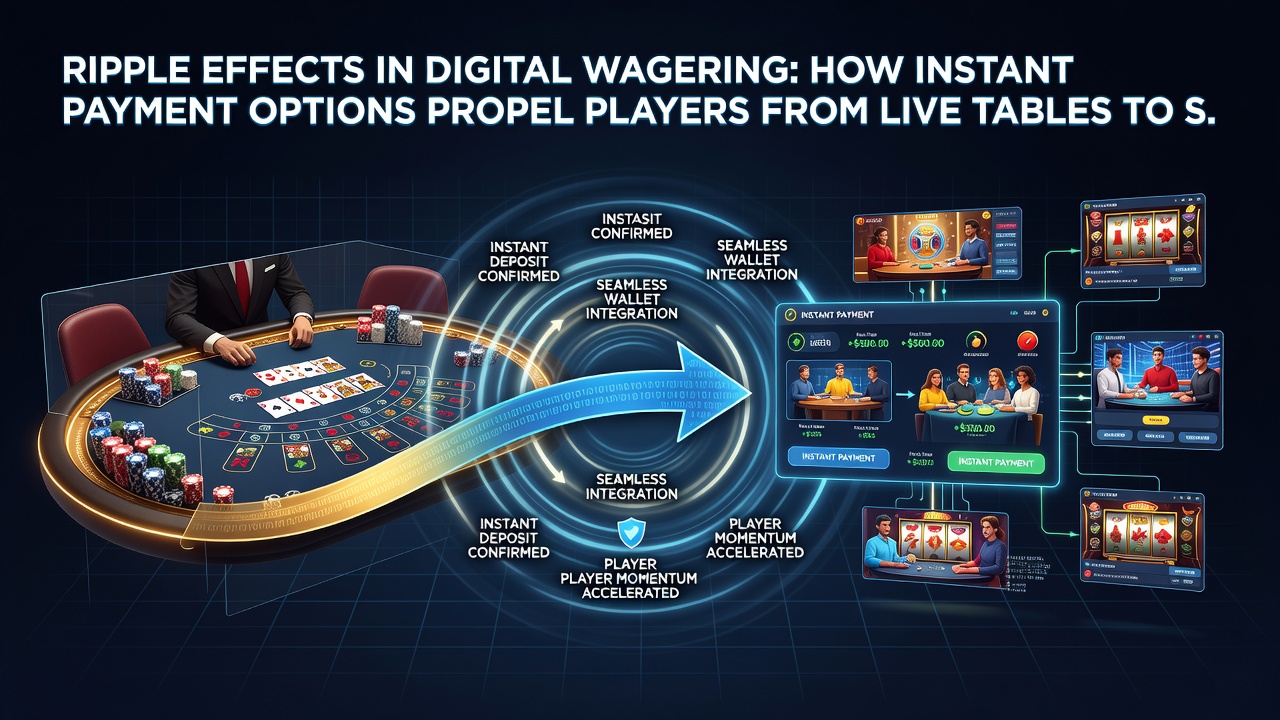
June 2026 brought updated reporting standards in several jurisdictions that require operators to log cross-product funding sequences, and preliminary aggregates already show tighter clustering of activity around progressive triggers. Those reviewing the datasets observe that accounts using instant options generate more frequent contributions to shared prize pools than accounts limited to slower verification methods.
Operational and Regulatory Context
Platform architecture now routinely includes unified wallets that treat deposits as single events usable across verticals, eliminating the need for separate funding actions. Trade reports indicate that this consolidation reduces drop-off points where users previously abandoned sessions after encountering payment friction. Regulatory bodies in North America and parts of Europe have begun requiring disclosure of average deposit-to-play intervals, which provides additional datasets for mapping these transitions.
Examples from operator dashboards illustrate the sequence: a user completes a live poker hand, receives an instant balance update, and within minutes constructs a five-leg sports accumulator while monitoring a progressive meter that has incorporated contributions from both prior table play and the new sports selection. The continuity stems directly from payment infrastructure rather than promotional nudges.
Conclusion
Instant payment capabilities have established measurable linkages between live table environments, sports accumulator construction, and progressive prize engagement. Available data from multiple regulatory regions and research organizations demonstrate that reduced transaction latency supports continuous play across formats, with documented increases in cross-vertical activity where funding occurs without interruption. These patterns continue to evolve as reporting requirements expand and platform integrations deepen.