UK Government Kicks Off Consultation on Gambling Commission Licence Fee Reforms Amid Rising Regulatory Costs
Clara Griffin · Mar 26, 2026

UK Government Kicks Off Consultation on Gambling Commission Licence Fee Reforms Amid Rising Regulatory Costs
The UK government has launched a public consultation on proposed changes to Gambling Commission licence fees, aiming to ensure the regulator recovers its costs more effectively from the industry it oversees; this move comes as current fees cover just a fraction of expenses, with data revealing annual income at £27.9 million, or only 0.21% of the industry's Gross Gambling Yield (GGY).
Experts note that without adjustments, the Gambling Commission faces projected deficits in the years ahead, prompting these reforms recommended directly by the regulator itself; the consultation, open now through early 2025, outlines specific tweaks to fee structures, particularly for casino operators, while presenting three distinct options for ongoing annual increases.
And here's where it gets interesting: the proposals target harmonisation of fee bands between non-remote licences under the Casino 1968 Act and the Gambling Act 2005, streamlining what operators pay based on their activities and scale; this isn't just paperwork shuffling, as figures show the current setup leaves gaps that strain public resources.
Breaking Down the Key Proposals: Harmonisation and Uplift Options
Casino operators holding non-remote licences under the older 1968 Act often face different fee bands compared to those under the 2005 Act, creating inconsistencies that the consultation seeks to iron out; by aligning these bands, the government expects a fairer, more predictable system where fees better reflect operational risks and sizes, much like how one observer likened it to getting all the scales on the same page before weighing the load.
But the real action lies in the three options for annual fee uplifts, each designed to bridge the funding shortfall while considering industry dynamics: Option 1 proposes a straightforward 30% increase across the board, Option 2 suggests a 20% uplift, and Option 3 offers 20% general plus an additional 10% ringfenced specifically for tackling illegal gambling markets; the government leans toward Option 3 as its preferred path, according to consultation documents, because it balances core regulation with targeted enforcement against offshore operators siphoning UK players.
Those who've studied similar regulatory shifts point out that ringfencing funds—like that 10% in Option 3—has worked in other sectors to laser-focus resources where threats loom largest, ensuring fees don't just pad general budgets but hit pain points directly.
Take the casino sector, for instance: harmonising 1968 and 2005 Act fees means premises with multiple tables or machines will see bands adjusted to match modern standards, potentially raising costs for larger venues while smaller ones might feel lighter touches; data indicates this targets high-GGY operators who generate the bulk of regulatory oversight needs.
The Numbers Driving the Change: Current Shortfalls and Future Projections
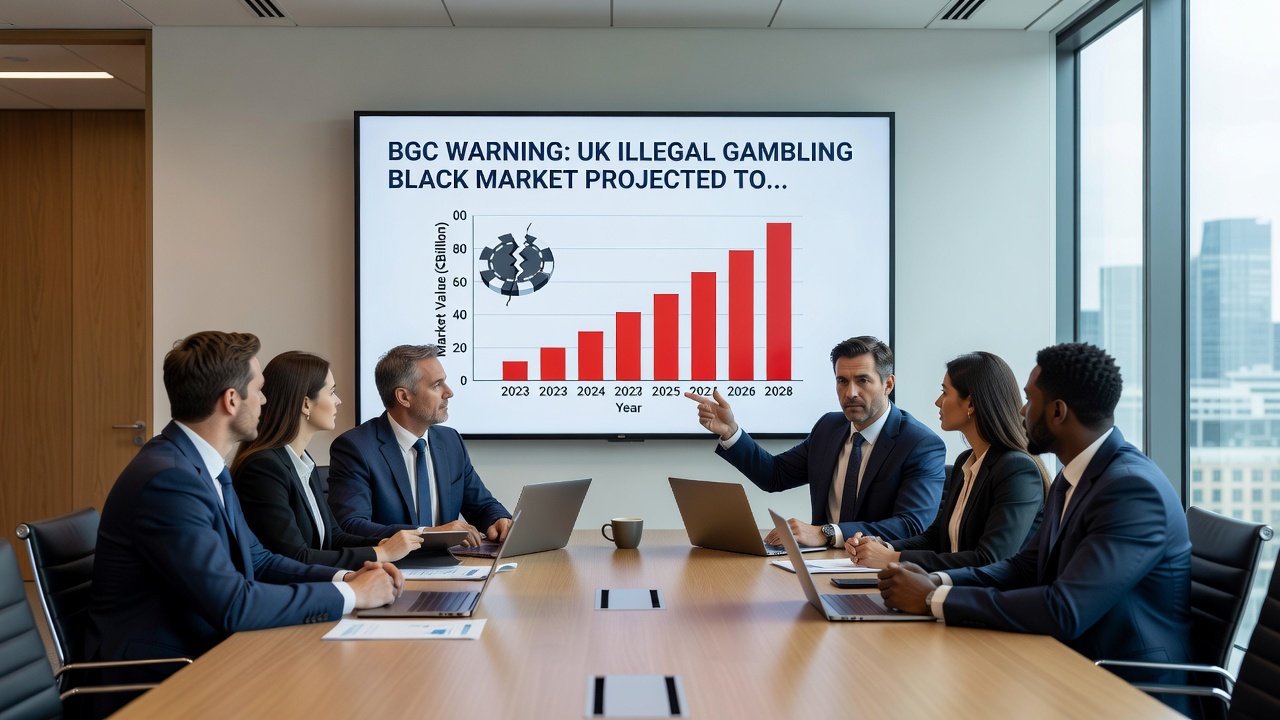
Current Gambling Commission income from fees stands at £27.9 million annually, scraping by at 0.21% of total industry GGY—a figure that researchers highlight as woefully inadequate when juxtaposed against the regulator's full operational costs; without hikes, forecasts predict widening deficits, especially as compliance demands grow with online proliferation and player protection mandates ramping up post-2025 reforms.
What's significant here is how GGY itself has ballooned in recent years, fueling everything from land-based slots to remote betting, yet fees haven't kept pace, leaving taxpayers to foot implicit bills; UKGC data underscores this mismatch, showing that even with efficiencies, the levy rate must climb to sustain independent oversight.
And consider the timeline pressure: these changes, if approved, roll out via secondary legislation by 1 October 2026, giving operators over a year to adjust; but March 2026 marks a key checkpoint, as initial feedback from the consultation—due by 7 March 2025—feeds into decisions that could preview fee notices sent out mid-year, keeping the sector on its toes amid broader 2026 overhauls.
Observers who've tracked fee cycles note that past uplifts, like those tied to inflation, often sparked debates, but this round's data-backed push—complete with deficit models—aims to preempt pushback by laying bare the math; for example, one analysis within the consultation reveals that Option 3 could recover costs fully by 2028 without overburdening low-risk segments.
How the Consultation Works: Process, Timeline, and Industry Input
The consultation runs until 7 March 2025, inviting responses from operators, trade bodies, and stakeholders via an online form on the government site; this structured approach ensures voices from bingo halls to bookmakers weigh in, with summaries published post-closure to inform final secondary legislation.
Yet it's not all numbers and forms: the document spells out impact assessments, projecting fee rises per sector—casinos might see 25-35% jumps depending on the option and band—while exempting certain low-volume activities to avoid stifling smaller players; that's the rubber meeting the road, balancing recovery with growth.
Industry watchers recall how previous consultations, like those on stake limits, shaped policy through targeted feedback, and this one follows suit by detailing exemptions and transitional arrangements; for instance, 1968 Act casinos get phased harmonisation to ease the shift, preventing overnight shocks.
So by October 2026, operators could face recalibrated annual fees, calculated on prior-year GGY and activity levels, with the uplifts applied perpetually unless revisited; this setup, recommended unanimously by the UKGC, positions the regulator to fund everything from inspections to anti-money laundering checks without dipping into general funds.
Broader Context: Why Fees Matter in the UK's Gambling Landscape
Fees aren't just line items; they underpin the entire regulatory framework that keeps the £15 billion-plus GGY industry (pre-tax) running smoothly, from vetting operators to probing complaints; data shows UKGC handles thousands of cases yearly, costs spiraling as digital threats evolve, like peer-to-peer betting rings evading nets.
But here's the thing: the proposed ringfence in Option 3 directs extra funds straight to illegal market fights, where UK players lose billions offshore annually, per commission estimates; experts who've mapped these flows argue it's a smart carve-out, turning industry levies into shields against unregulated rivals.
People in the sector often discover that fee predictability aids planning—harmonised bands mean no more dual-accounting nightmares for hybrid operators—while uplift options give choices, with government's nod to Option 3 signaling a collaborative tone; one case from prior reforms saw fees stabilise after consultation tweaks, hinting at potential here too.
Now, as March 2025 nears for responses, the ball's in the industry's court to shape details, ensuring the 2026 rollout lands with minimal friction; this isn't rocket science, but getting the bands right could define how well regulation scales with a post-pandemic boom still echoing.
There's even room for nuance: the consultation flags reviewing non-casino fees later, keeping focus tight on immediate casino harmonisation while uplifts apply broadly; figures project £10-15 million extra yearly under preferred options, plugging holes without GGY percentage leaps that might alarm boards.
Wrapping It Up: Eyes on 2026 and Beyond
In the end, this consultation boils down to a pragmatic fix for a regulator stretched thin, with harmonised casino fees and tiered uplifts poised to realign costs by 1 October 2026; backed by stark data on £27.9 million shortfalls and 0.21% GGY levies, the reforms promise sustainability, especially if Option 3's illegal-market ringfence takes hold.
Stakeholders submitting by March 2025 hold sway over the fine print, much like past rounds that refined edges through dialogue; as forecasts warn of deficits otherwise, the path forward looks set to fortify oversight without derailing the industry's momentum, keeping UK gambling on solid, funded ground.
Turns out, in a landscape where GGY surges but threats multiply, these fee tweaks represent not just numbers, but the framework holding it all together.