Transaction Speed as a Catalyst for Tiered Status Growth in Blended Digital Entertainment Platforms
Mia Griffin · Aug 21, 2026
Transaction Speed as a Catalyst for Tiered Status Growth in Blended Digital Entertainment Platforms
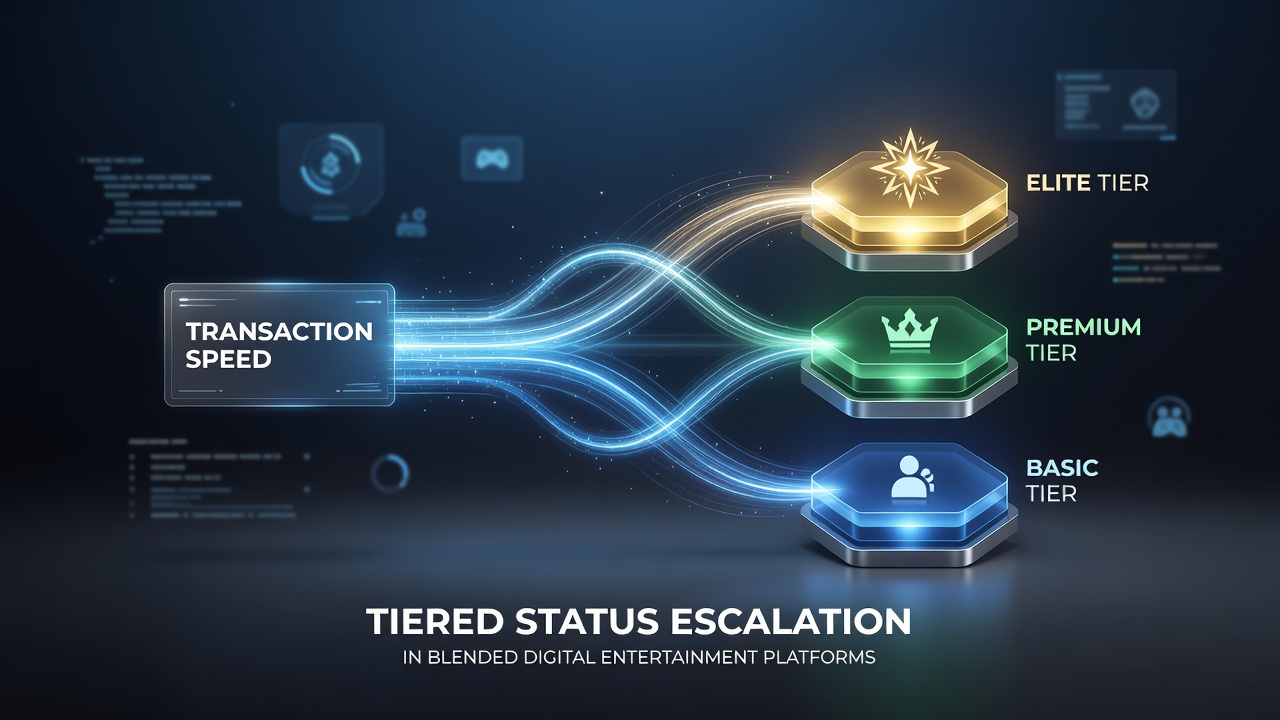
Blended digital entertainment platforms combine slots, live dealer tables, sports betting, and mobile features into single ecosystems where transaction speed directly influences how quickly users advance through loyalty tiers, and industry data tracks these patterns across multiple regions. Platforms process deposits and withdrawals in seconds rather than minutes, which allows continuous play cycles that accumulate the activity metrics required for status escalation. Observers note that systems reward velocity because rapid fund movement translates into higher session volumes, and this mechanic appears in operator reports from various markets.
Mechanics of Transaction Integration
Payment gateways sit at the core of these platforms, connecting user accounts to tier algorithms that monitor deposit frequency, wager totals, and time spent in different game categories. When a deposit clears instantly, the system logs the action immediately and feeds it into the progression engine, whereas delays of even thirty seconds can interrupt the data flow that triggers tier notifications. Research from payment technology analyses indicates that platforms using real-time rails see average tier advancement rates increase by measurable percentages compared with slower legacy methods, and this holds across both desktop and mobile interfaces.
Operators configure rules so that cumulative spend within a rolling period determines silver, gold, or platinum status, yet the speed at which spend registers matters as much as the amount itself. Faster processing prevents users from pausing between games, which keeps momentum high and pushes totals past the next threshold before the period resets. Data from multiple platform audits shows that users who complete deposits under ten seconds reach the subsequent tier roughly twenty percent sooner than those experiencing standard processing windows.
Cross-Game Activity and Status Acceleration
Blended environments encourage movement between slots, live tables, and sports markets within the same account, and transaction speed supports seamless transitions that multiply tracked activity. A user who deposits quickly can shift from a slot session to a live dealer table without logging out, and each switch adds to the metrics that feed tier calculations. Industry reports compiled by research groups in North America and Europe reveal that platforms with sub-five-second confirmation times record higher cross-product engagement, which in turn compresses the timeline for status upgrades.
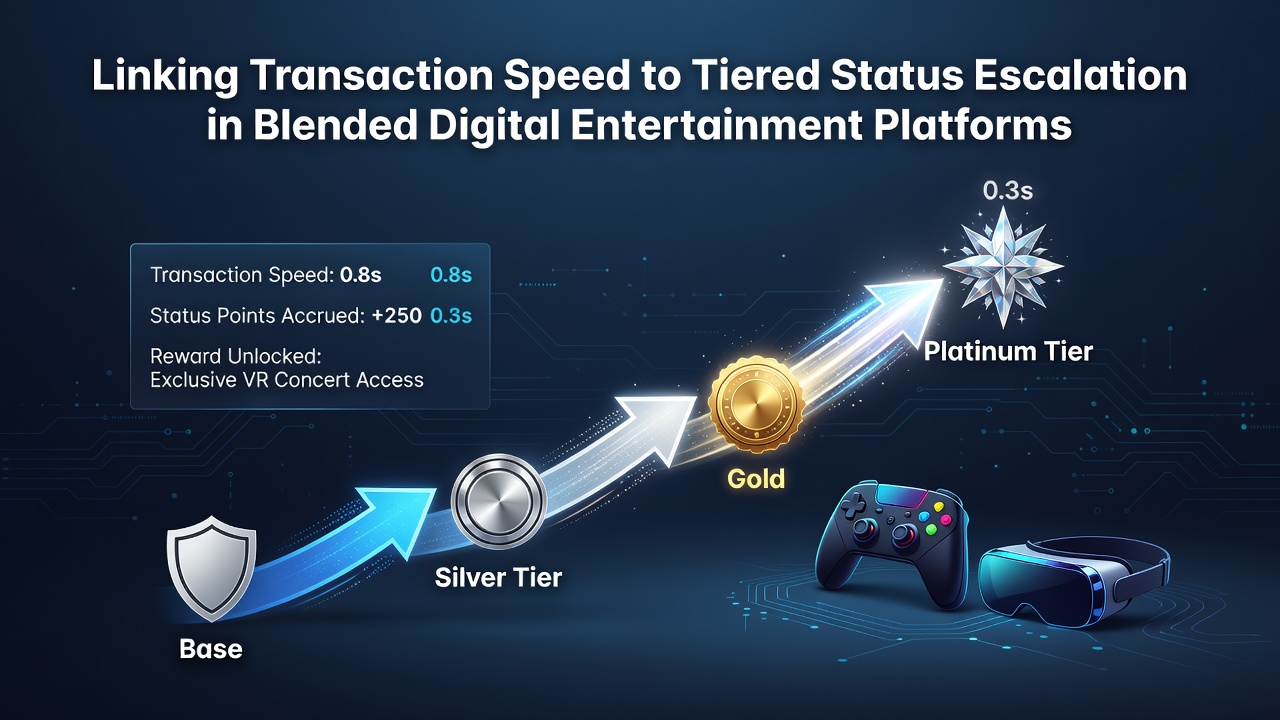
August 2026 brought updated platform dashboards in several jurisdictions that display real-time tier progress bars tied directly to payment confirmations, allowing users to watch their status climb as funds move. These visual tools highlight how a single fast deposit can unlock bonus multipliers that further boost activity rates. Figures released by gaming analytics firms show that platforms adopting these displays experienced measurable lifts in retention among mid-tier users who previously stalled at lower levels.
Regional Regulatory Contexts and Platform Adaptations
Regulatory frameworks in Australia and parts of Canada require transparent reporting of how payment speed affects player progression, which has prompted operators to publish anonymized tier advancement statistics. These disclosures demonstrate consistent correlations between instant deposit availability and accelerated movement through loyalty structures. Academic papers from university research centers in these regions further examine the behavioral data, confirming that reduced friction in funding leads to sustained engagement across blended game types.
Platform developers respond by integrating additional payment options that prioritize speed, such as digital wallets and instant bank transfers, while maintaining compliance with local rules. The result appears in operational metrics where average time to next tier decreases as faster methods gain adoption. External analyses from organizations like the Responsible Gambling Council track these shifts and note that platforms balancing speed with player protection tools maintain stable advancement patterns without disproportionate spikes in activity.
Future Platform Developments
Engineers continue to refine the linkage between transaction rails and tier engines, testing features that award partial status points for confirmed deposits even before wagers begin. Early trials in select markets indicate that such micro-rewards further tighten the connection between payment velocity and status growth. Reports from technology conferences held in 2026 highlight prototypes that could reduce confirmation times below two seconds while preserving security protocols required by oversight bodies.
Conclusion
Transaction speed functions as a measurable driver of tiered status escalation within blended digital entertainment platforms because faster fund movement sustains the activity levels that algorithms use to grant upgrades. Data compiled across multiple jurisdictions and research sources confirms the relationship, while platform adaptations continue to evolve around this dynamic. Observers tracking developments through August 2026 and beyond see ongoing refinements that maintain this linkage as a core operational feature.