Tracing Payment Pathways to Elite Tiers in Handheld Gaming Networks
Cameron Krause · Aug 18, 2026
Tracing Payment Pathways to Elite Tiers in Handheld Gaming Networks
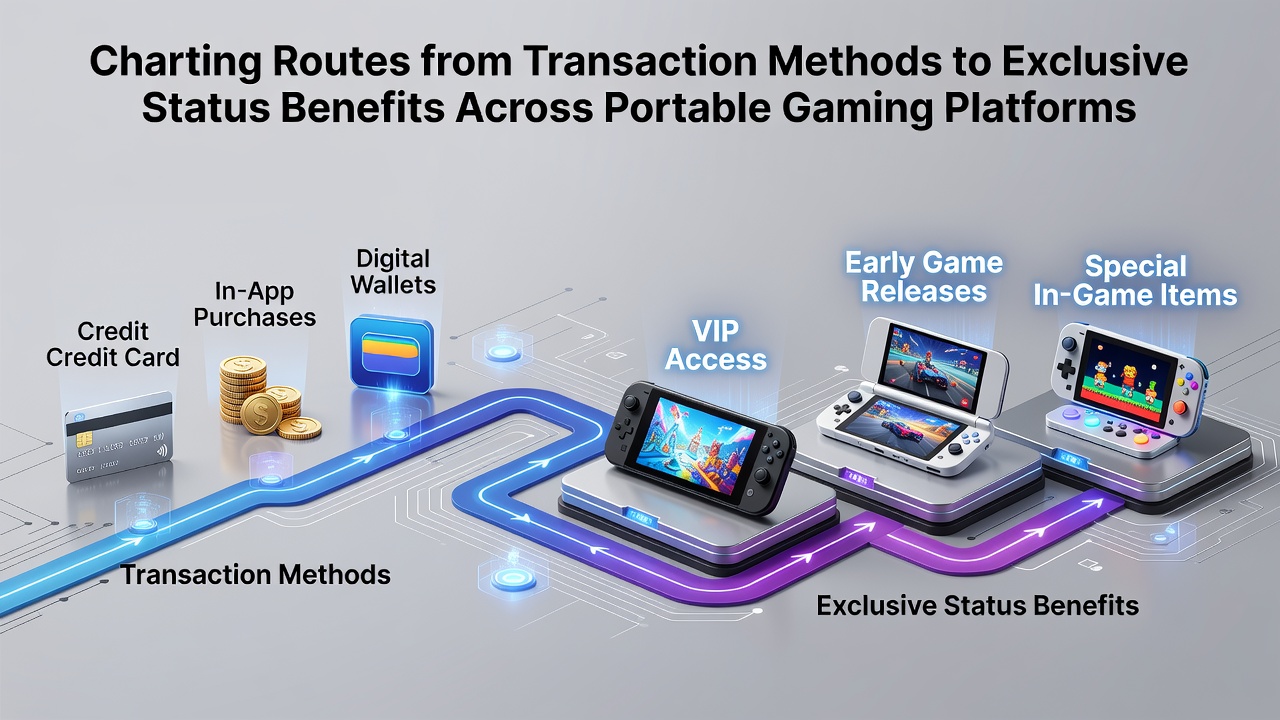
Payment methods now function as entry points that shape access to premium features across handheld gaming networks, where users move from basic deposits through layered verification steps toward exclusive status programs. Observers note that credit cards, digital wallets, bank transfers, and emerging options such as cryptocurrency services each carry distinct processing speeds and verification requirements that determine how quickly accounts qualify for tiered rewards on portable platforms. Data from industry reports indicate that integration between these methods and mobile operating systems like iOS and Android has accelerated since early 2025, creating direct routes from initial transactions to loyalty accumulation systems.
Transaction Methods and Platform Integration
Digital wallets including Apple Pay and Google Pay operate through device-native APIs that streamline verification on portable devices, allowing users to complete deposits in fewer steps while triggering immediate eligibility tracking for status upgrades. Bank transfers, by contrast, often involve additional confirmation layers that extend the timeline before accounts register activity toward exclusive benefits, yet they frequently pair with higher transaction limits that unlock advanced tiers more rapidly once processed. Researchers at academic institutions have documented how cryptocurrency options introduce blockchain-based confirmation sequences that appeal to users seeking anonymity, and these sequences feed into status algorithms that reward consistent usage with specialized access on mobile gaming applications.
Platform operators adjust their systems to recognize transaction patterns, so repeated use of the same method can accelerate progression through loyalty stages. Studies show that users who combine multiple methods within a single account often accumulate points faster because cross-verification protocols reward diversified activity. Those who've examined these systems observe that portable gaming networks prioritize methods with lower failure rates, which in turn feed cleaner data streams into the algorithms governing exclusive status allocation.
Progression Routes to Exclusive Benefits
Once a transaction clears, portable platforms log the activity and begin calculating eligibility for benefits that range from priority customer support to limited-edition digital items available only to higher tiers. Status systems typically operate on points-based models where each completed transaction contributes a set value, and observers note that certain methods carry multipliers during promotional windows such as those scheduled for August 2026. Exclusive status often includes access to closed beta tests for upcoming portable titles, custom avatars, and accelerated withdrawal processing that reduces wait times from days to hours.
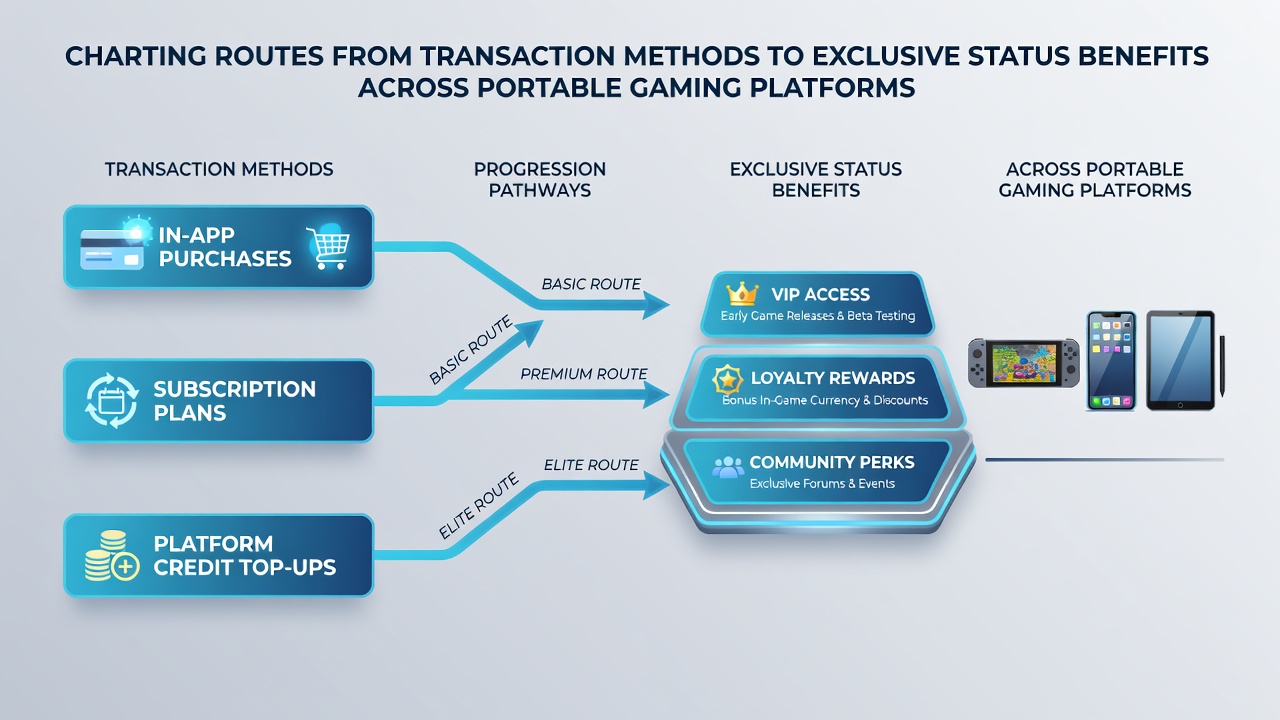
Case examples from gaming associations reveal that users who maintain consistent transaction volumes through verified methods reach elite tiers within three to six months on average. The pathways become more efficient when accounts link to multiple portable devices, because synchronized data across smartphones and tablets allows status systems to recognize activity regardless of access point. What's interesting is how some networks now embed status indicators directly into transaction confirmation screens, giving immediate visual feedback on progress toward the next tier.
Regional Variations and Regulatory Influences
Regulatory frameworks in different regions shape which transaction methods receive priority within mobile gaming ecosystems. In Canada the Canadian Gaming Association has tracked how provincial rules affect wallet integration timelines, while European research institutions have published findings on cross-border payment compatibility that influence status qualification speeds. Australian government data from the communications authority shows similar patterns where approved methods accelerate access to exclusive content libraries on handheld devices.
These regional differences mean that users traveling with portable platforms sometimes encounter adjusted eligibility rules based on location signals. Networks respond by maintaining separate tracking logs that preserve status continuity even when transaction methods change across borders. Data indicates that such continuity reduces user drop-off rates because progress toward benefits remains visible regardless of geographic shifts.
Future Developments Expected by August 2026
Industry forecasts point to expanded support for real-time settlement methods that could shorten the interval between transaction completion and status recognition on portable platforms. Developers are testing integrations with emerging financial technologies that embed loyalty calculations within the payment protocol itself, eliminating separate processing stages. Those monitoring these changes report that August 2026 has been identified as a target window for several major platform updates that will standardize tier benefits across iOS and Android environments.
Academic papers currently under review examine how these updates might affect user behavior patterns, particularly around method selection and frequency of exclusive feature usage. The evidence suggests that clearer mapping of transaction routes to benefits encourages sustained engagement across portable gaming networks.
Conclusion
Transaction methods serve as foundational elements that determine access speed and depth of exclusive status benefits within portable gaming platforms. The documented pathways show consistent patterns where verification efficiency, method diversity, and regional compliance together shape progression timelines. Continued evolution through 2026 is expected to refine these connections further, producing more transparent routes from initial deposits to premium rewards across handheld devices.