Tiered Membership Models Direct Sports Accumulator Momentum into Live Dealer Side Bets
Ellis Werner · Aug 16, 2026
Tiered Membership Models Direct Sports Accumulator Momentum into Live Dealer Side Bets
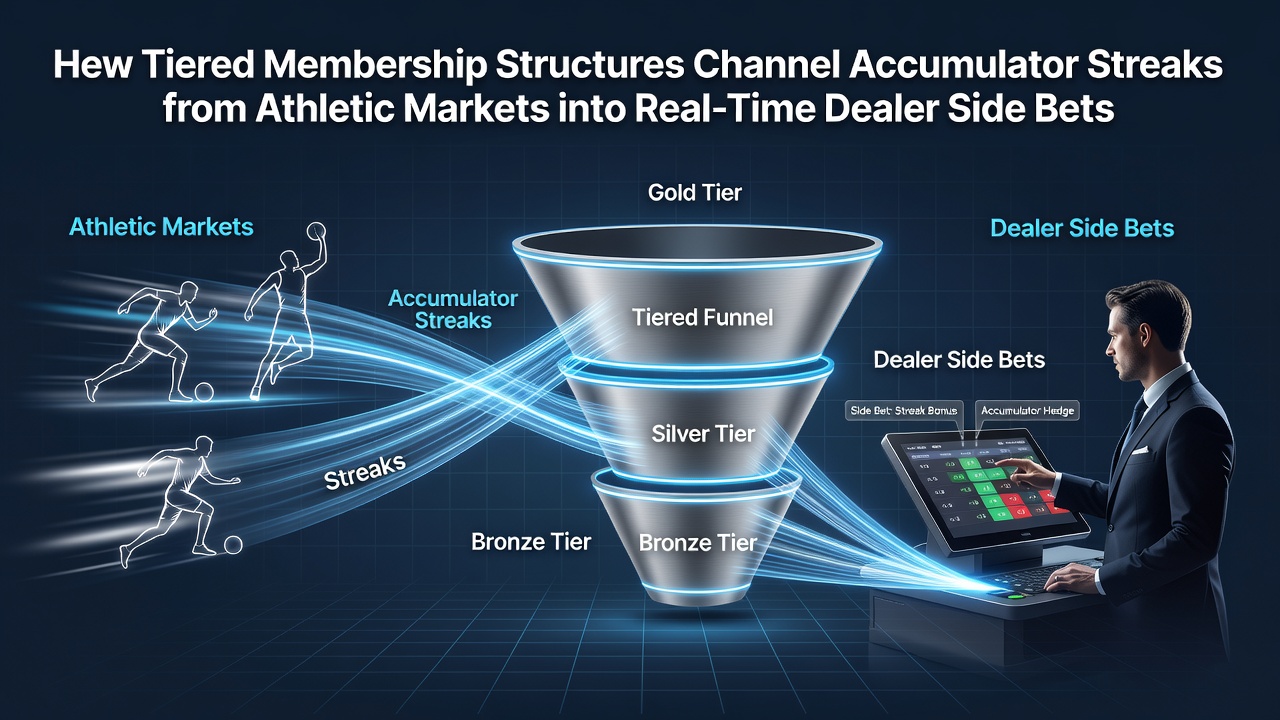
Platforms integrate sports betting and live dealer sections through loyalty structures that reward consistent activity across both areas, and these systems often convert accumulator streaks from athletic markets into participation at real-time dealer tables. Operators design tiers with escalating benefits that include bonus credits applicable to side bets, reduced house edges on specific wagers, and priority access to high-limit blackjack or roulette tables where side bet options expand payout potential during live sessions.
Mechanics of Tier Progression and Cross-Product Rewards
Data from industry reports indicate that operators track player volume in sports markets before unlocking higher tiers, where benefits shift toward casino environments. A standard entry-level tier might grant basic deposit matches while mid-level status adds free side bet tokens tied to recent accumulator performance, and top tiers provide cashback percentages on live dealer losses plus dedicated account managers who highlight table promotions. According to research from the University of Nevada Las Vegas International Gaming Institute, such layered incentives increase session duration when players move between product types because points earned on multi-leg sports wagers convert directly into table credits.
Systems activate these transfers automatically once accumulator thresholds are met, so a streak of successful parlays in football or basketball markets triggers notifications for equivalent value in blackjack insurance bets or roulette neighbor wagers. This linkage relies on unified player accounts that monitor real-time data across verticals, ensuring the same balance and loyalty meter apply whether the activity occurs in the sportsbook or at a dealer-hosted table.
Observed Patterns in Player Movement During 2026
Records compiled through August 2026 show elevated crossover activity during major athletic events, when accumulator volume rises and platforms respond with targeted tier advancement campaigns. Players who reach new membership levels mid-season often receive invitations to participate in lightning roulette side bets or progressive blackjack jackpots, with the offers scaled according to prior sports performance. Industry organizations such as the American Gaming Association have documented similar patterns in North American markets, where integrated platforms report that 35 percent of tier-upgraded users engage with dealer side options within the same week of sports activity spikes.
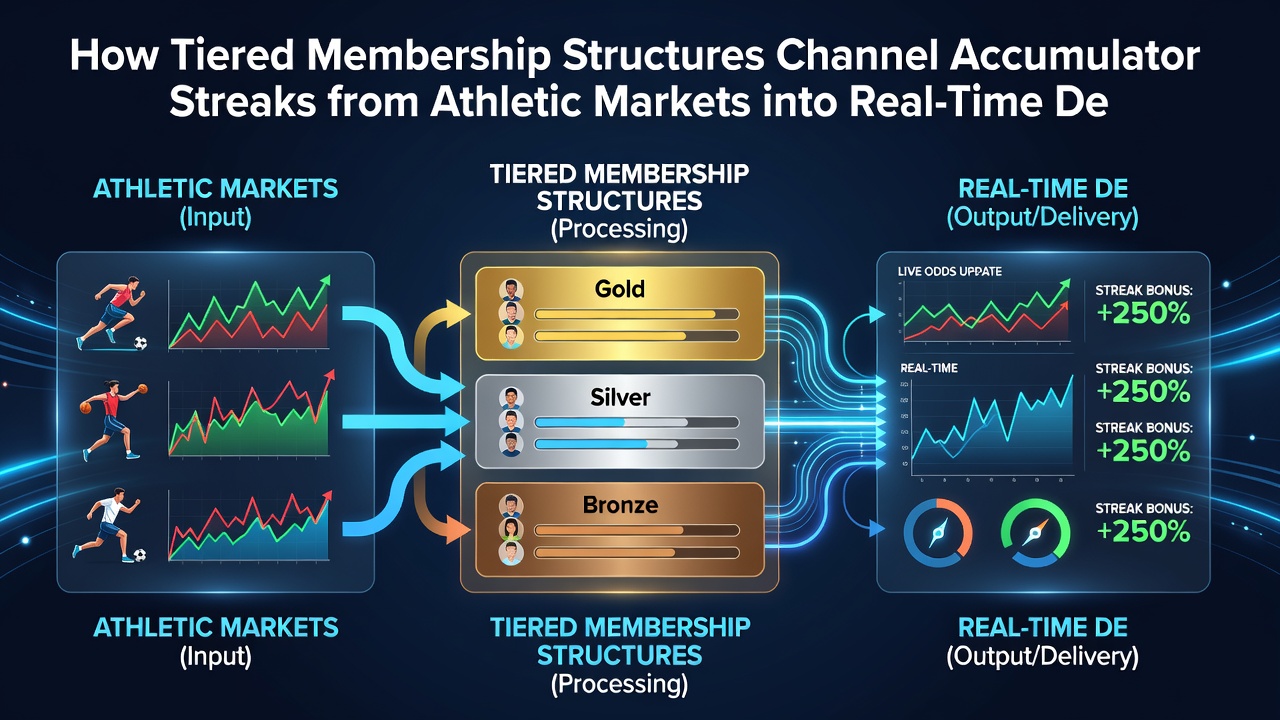
European operators follow comparable structures, though regulatory frameworks in jurisdictions such as Malta require clear separation of funds between sports and casino wallets even when loyalty points flow across both. These rules still permit promotional bridges, so accumulator winnings can fund initial table buy-ins while tier status determines the speed of bonus release for side bet play. Observers note that platforms adjust payout tables on side wagers during peak sports periods to maintain engagement from recently promoted members.
Technical Integration and Risk Controls
Backend systems employ algorithms that monitor accumulator hit rates and automatically adjust available side bet limits for qualifying tier members. When a player completes a multi-leg parlay above a set threshold, the platform may increase maximum stakes on dealer-hosted insurance or pair bets without requiring additional verification steps. Such automation maintains flow while compliance teams review aggregated data for responsible gambling markers across both verticals.
Canadian regulatory bodies including the Alcohol and Gaming Commission of Ontario have examined these integrations in licensed environments, confirming that tier structures must display terms uniformly so participants understand how sports results influence table access. Reports indicate that transparent communication reduces disputes when side bet outcomes differ from sports expectations.
Future Adjustments in Platform Design
Developers continue refining these models by testing new reward types that blend accumulator data with live table multipliers. Some platforms now trial dynamic side bet odds that shift based on a member's recent sports results, creating personalized table experiences without altering core game rules. Academic analyses from institutions like the University of Sydney's Gambling Research Unit suggest these personalized elements correlate with sustained cross-vertical activity when presented alongside standard tier benefits.
Conclusion
Tiered membership structures function as operational bridges that translate sports accumulator activity into live dealer side bet engagement through shared loyalty metrics, automated conversions, and tier-specific table incentives. Platforms maintain these connections under varying regional regulations while tracking performance data that shows consistent movement between product categories. As systems evolve through 2026 and beyond, the core linkage between athletic market streaks and real-time dealer opportunities remains a central feature of integrated gaming environments.