Seamless Transaction Pathways Connecting Accumulator Builds, Progressive Jackpot Growth, and Live Session Incentives
Mia Griffin · May 26, 2026
Seamless Transaction Pathways Connecting Accumulator Builds, Progressive Jackpot Growth, and Live Session Incentives
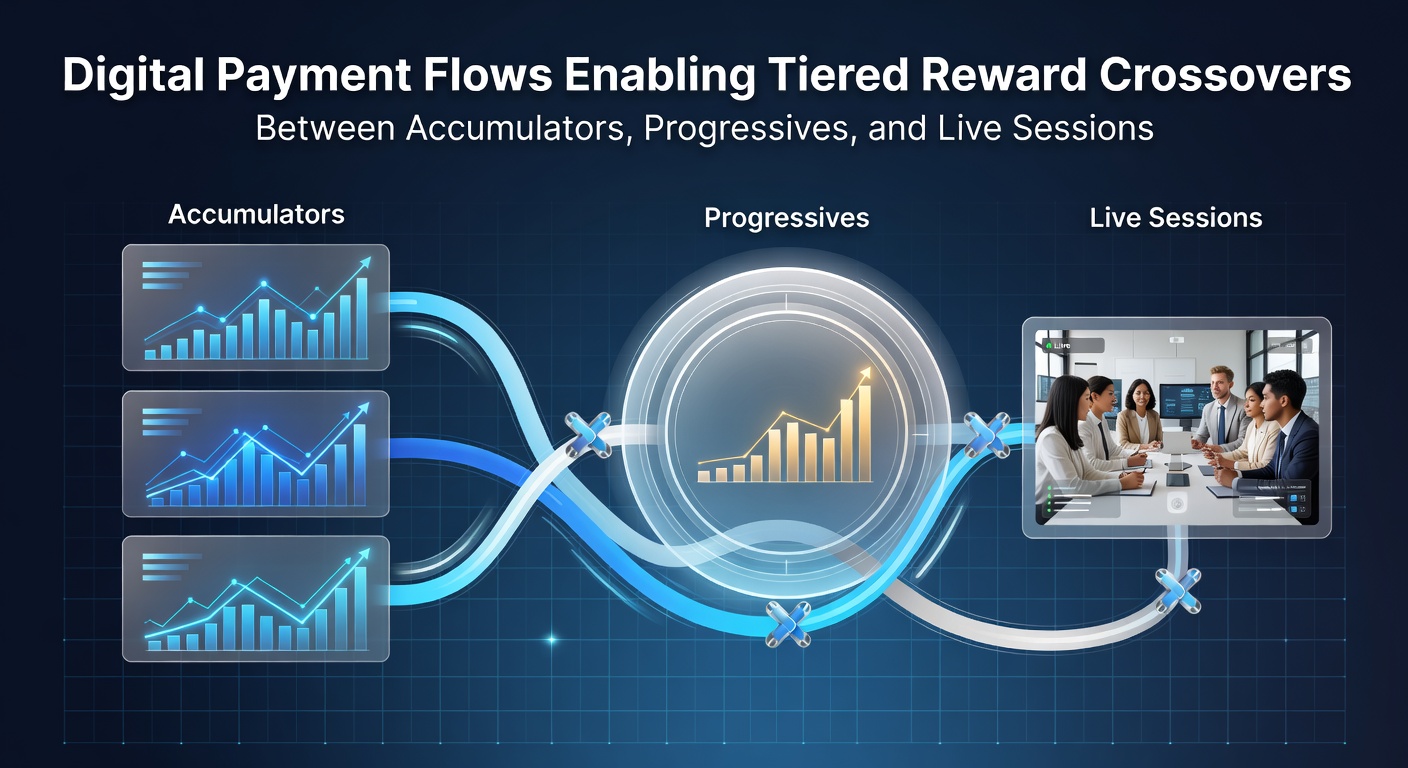
Digital payment systems now route funds across multiple gaming formats in ways that allow rewards earned in one area to activate bonuses or contribute to progress in others, and this integration has accelerated since platform operators began standardizing instant transfer protocols. Accumulator wagers in sports betting build multipliers through combined selections, progressive jackpot pools grow with each eligible spin or bet, and live sessions track real-time participation metrics, yet payment rails increasingly treat these as linked accounts rather than isolated ledgers. Data from the European Gaming and Betting Association shows transaction volumes between these categories rose steadily through 2025, driven by APIs that update balances within seconds of a deposit or withdrawal request.
Mechanics of Cross-Format Reward Transfers
Payment gateways process deposits that immediately credit multiple ledgers, so a single transaction can allocate portions toward an accumulator stake, a progressive slot pool contribution, and a live dealer table buy-in at the same time. Tiered reward structures then recognize the combined activity, granting loyalty points or bonus credits that apply across categories once certain thresholds are met. Operators configure these rules through backend systems that monitor payment confirmations alongside game outcomes, allowing an accumulator win to unlock a progressive bonus round without requiring a separate funding step. Those who've examined transaction logs note that reconciliation happens automatically, reducing delays that once forced players to switch platforms or wait for manual approvals.
Wallet integrations further streamline the process by holding funds in a neutral state until the user directs them toward a specific accumulator, progressive meter, or live session. When a payout arrives from one format, the system can route a percentage directly into another format's qualifying pool, preserving momentum for tier advancement. Studies released by the Australian Gambling Research Centre indicate that such automated routing correlates with higher retention rates across integrated sites, because users encounter fewer friction points when moving between sports, slots, and live tables.
Role of Real-Time Processing in Tier Advancement
Instant settlement capabilities mean that accumulator results feed into progressive eligibility checks without batch delays, and live session multipliers update as soon as payment confirmations register. In May 2026 several major platforms introduced enhanced settlement layers that cut processing times below two seconds for cross-category transfers, allowing reward tiers to advance during active play rather than after session closure. This timing matters because progressive jackpots often require continuous contribution streaks, while accumulator bonuses depend on rapid placement of follow-up wagers. Payment providers that support these speeds give operators the technical foundation to design crossover promotions that span all three formats without manual intervention.
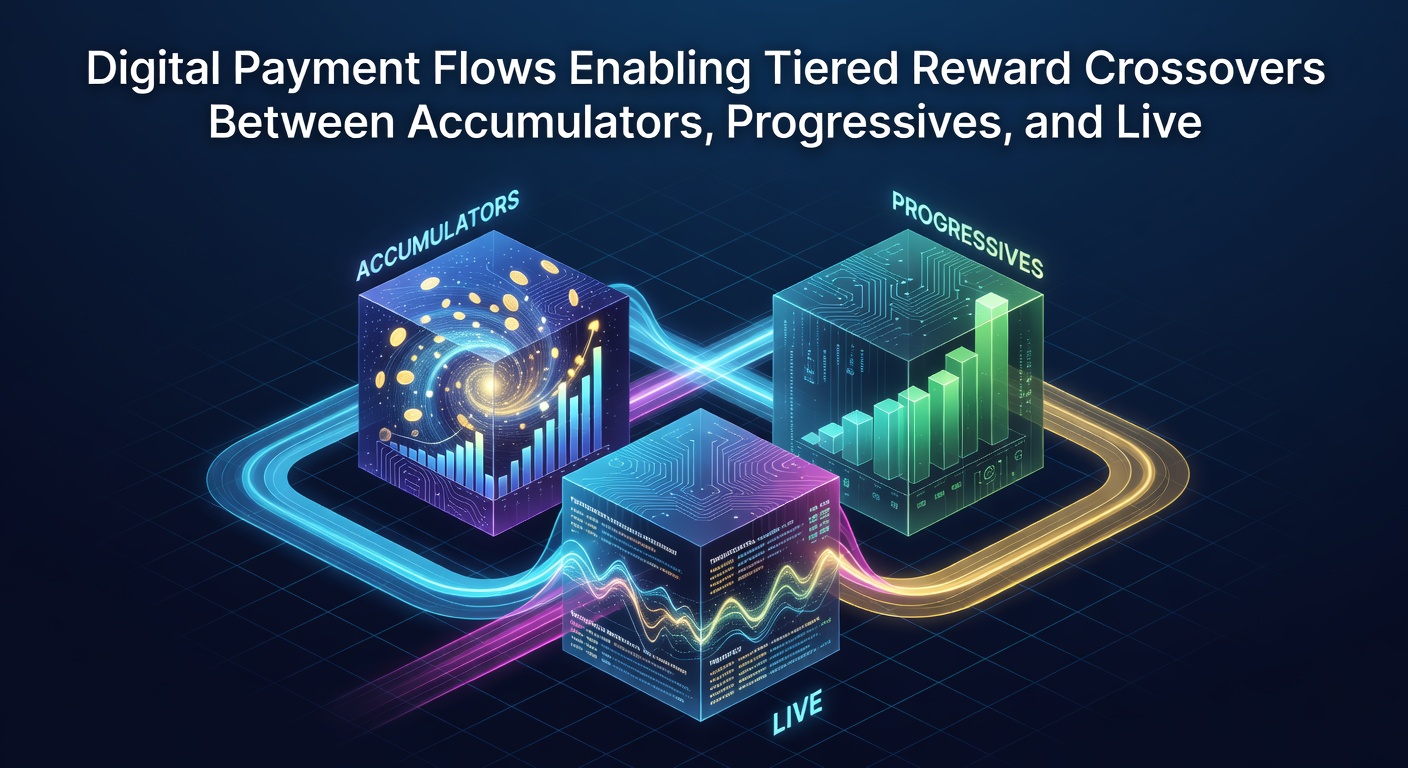
Security protocols embedded in these flows include tokenization and multi-factor verification that travel with each transfer, so the same safeguards apply whether funds move toward a live roulette table or a multi-leg accumulator. Regulators in multiple jurisdictions require audit trails for every crossover, and providers maintain logs that link each payment event to the resulting tier status change. The National Center for Responsible Gaming has documented how transparent payment records help identify patterns where users shift activity rapidly between formats, information that operators then use to adjust responsible gaming prompts without interrupting the reward flow.
Examples of Integrated Reward Structures
One operator implemented a system where accumulator winnings above a set amount automatically contribute a fraction to a shared progressive pool, while simultaneously crediting live session entry tickets. The payment layer handles the split allocation in a single call, updating all three tracking systems before the next user action. Another example involves live dealer streaks that unlock multiplier boosts applicable to future accumulator bets, with the qualifying deposit processed through a unified gateway that records the crossover for tier calculation. Observers note that these structures rely on standardized data fields within payment messages, allowing different game engines to interpret the same transaction as qualifying activity across categories.
Geographic variations appear in how quickly these features roll out, with markets that already mandate faster settlement seeing earlier adoption. Canadian provincial frameworks, for instance, emphasize real-time reporting that aligns with the technical requirements for tiered crossovers, while Australian state rules focus on consumer protection disclosures tied to the same payment events. Industry reports compiled by iGaming Ontario highlight that platforms using unified payment rails report fewer support tickets related to delayed bonus activations, because the systems resolve eligibility at the moment of fund movement rather than through later reconciliation.
Conclusion
Digital payment flows continue to serve as the connective tissue between accumulator constructions, progressive jackpot contributions, and live session participation, enabling reward tiers to recognize activity across formats through automated routing and instant settlement. As processing speeds improve and data standards mature, operators gain the capacity to design promotions that treat these categories as parts of a single ecosystem rather than separate silos. Regulatory environments in different regions shape the pace of implementation, yet the underlying payment technology remains consistent in its ability to track and apply crossovers without manual steps. The result is a landscape where balance updates and tier advancements occur in tandem with each transaction, supporting continuous engagement across the three activity types.