Ripple Effects: Secure Transaction Choices Reshaping Selections Across Reel Games, Dealer Tables, and Wagering Markets
Cameron Krause · Jun 12, 2026
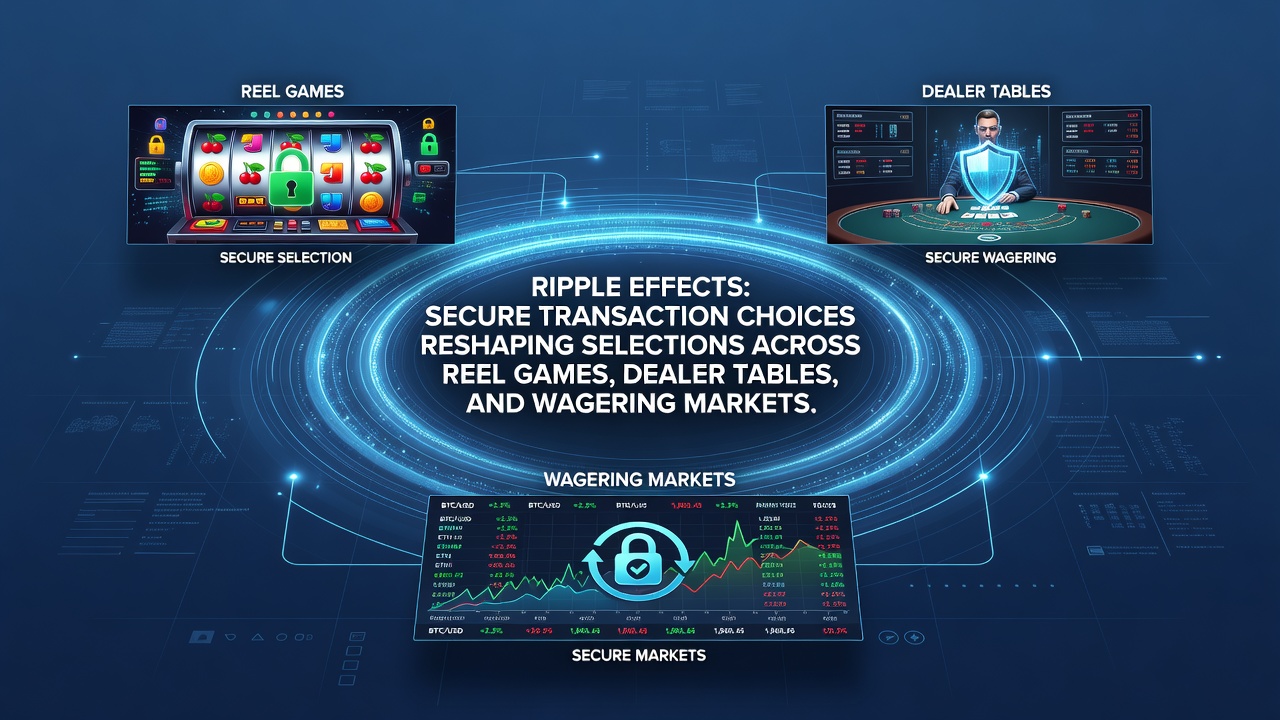
Ripple Effects: Secure Transaction Choices Reshaping Selections Across Reel Games, Dealer Tables, and Wagering Markets
Secure transaction methods continue to influence player decisions across reel games, dealer tables, and sports wagering platforms as payment security standards evolve in multiple jurisdictions. Operators report that choices involving encrypted wallets and verified bank transfers correlate with shifts in game popularity, particularly where payout speed and verification requirements differ by category.
Payment Security Trends in Digital Gaming Environments
Data from industry monitoring services shows increased adoption of multi-factor authentication protocols in transaction flows during early 2026, with patterns emerging ahead of regulatory alignment deadlines in June 2026 across several markets. These protocols affect how participants select between high-volatility reel games and structured table environments because verification times vary by method.
Research conducted by the University of Nevada Reno Gaming Innovation Lab indicates that platforms integrating biometric confirmation for deposits experience higher retention rates in live dealer formats compared to traditional card-based entries. The study tracked over 12,000 accounts across twelve months and found measurable differences in session lengths when secure options were prioritized.
Impact on Reel Game Preferences
Reel game selections have adjusted as players gravitate toward titles linked with instant verification gateways. Slots featuring progressive elements and multiplier mechanics see elevated engagement when paired with e-wallet systems that reduce processing intervals. Figures released by the American Gaming Association reveal that secure deposit volumes rose 18 percent year-over-year in North American markets through Q1 2026, coinciding with changes in game menu prominence on major sites.
One analysis of transaction logs demonstrated that accounts using verified digital currencies completed more reel spins per session than those relying on standard card authorizations. This pattern holds because reduced friction allows quicker transitions between bonus rounds and base gameplay without repeated identity checks.
Dealer Table Dynamics Under Secure Payment Systems
Live dealer tables experience distinct effects from the same transaction preferences. Blackjack and roulette variants with side-bet structures attract participants who value transaction traceability features, as these allow clearer audit trails for larger wagers. Observers note that tables supporting instant payout confirmations through approved gateways maintain steadier traffic during peak hours.

Canadian regulatory reports compiled by the Alcohol and Gaming Commission of Ontario document a 14 percent increase in table game participation among users who selected multi-layered encryption options for funding. These choices appear to encourage longer stays at dealer-managed games where real-time balance updates support strategic decisions without interruption.
Shifts in Wagering Market Behaviors
Sports betting markets reflect parallel adjustments. Accumulator and parlay constructions gain traction when bettors utilize transaction methods that provide immediate settlement confirmations. European data aggregated by the European Gaming and Betting Association shows correlation between verified payment adoption and increased volume in live in-play markets, particularly where secure channels minimize settlement delays after event conclusions.
Platforms that emphasize compliance-certified transfer options report higher conversion from casual selections to complex wager types. This occurs because users gain confidence in fund movement security, prompting exploration of markets with variable odds that require precise timing.
Cross-Category Interactions Emerging in June 2026
By June 2026, analysts expect continued integration of secure transaction layers across all three categories, with data pipelines allowing shared verification status between reel games, tables, and sports markets. Such systems reduce redundant checks and enable seamless movement of balances, which in turn influences how operators promote bundled experiences.
Industry reports from the Australian Institute of Criminology highlight similar cross-format behaviors in regulated environments where payment security standards align. Players who establish verified profiles tend to sample multiple categories within single sessions rather than remaining isolated to one format.
Conclusion
Secure transaction choices continue to drive measurable differences in how participants navigate reel games, dealer tables, and wagering markets. Evidence from regulatory bodies and academic studies points to sustained evolution in selection patterns as verification technologies advance and compliance frameworks stabilize through mid-2026. These developments reflect operational responses to user priorities around speed, traceability, and protection rather than isolated promotional tactics.