Payment Gateways Linking Accumulator Sequences to Multiplier Sequences Across Blended Gaming Formats
Mia Griffin · Jul 28, 2026
Payment Gateways Linking Accumulator Sequences to Multiplier Sequences Across Blended Gaming Formats
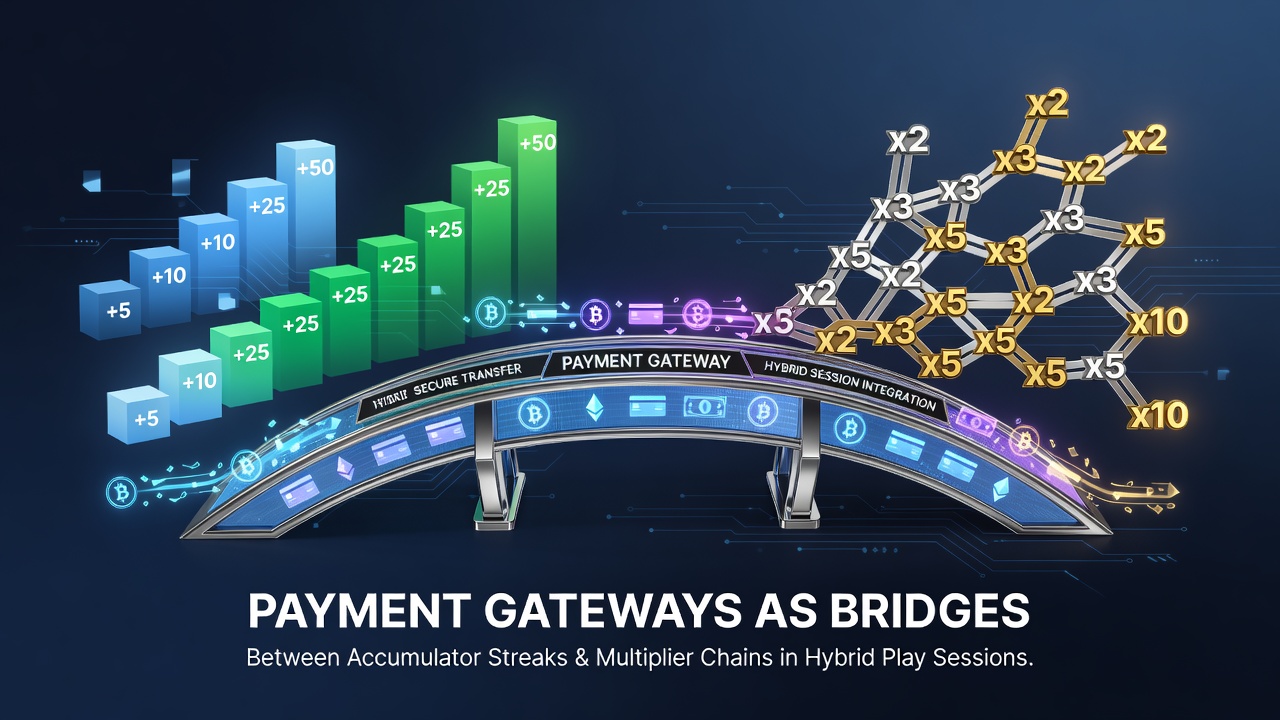
Payment gateways operate as the central infrastructure that transfers funds between sports accumulator sequences and casino multiplier sequences during hybrid play sessions, and data from industry reports shows these systems handle millions of cross-format transactions each month. Observers note that when players complete an accumulator win in sports betting, the same gateway can route those funds directly into a slot session featuring chained multipliers, eliminating the need for separate account transfers or external banking steps. Research indicates that such seamless movement supports extended play patterns where winnings from one format fuel activity in another without interruption.
Mechanics of Accumulator Sequences in Sports Platforms
Accumulator sequences combine multiple selections into a single wager, and each correct outcome increases the potential payout while the gateway records the stake and subsequent returns in real time. Studies from academic institutions have tracked how these sequences generate larger payout events that then become available for immediate use in other game categories. Those who monitor transaction logs observe that gateways timestamp every deposit and withdrawal, creating a continuous record that links an accumulator result to the next multiplier opportunity in a casino environment.
Multiplier Sequences in Casino Game Environments
Multiplier sequences appear in slot titles and certain table game variants where successive wins apply increasing factors to the base amount, and payment gateways register each increment so the updated balance remains accessible across formats. Figures from European gaming associations reveal that players often shift from a completed accumulator to a multiplier chain within the same session, relying on the gateway to maintain balance accuracy during the switch. Data shows these sequences can compound rapidly when the underlying payment infrastructure processes requests without delay.
Integration Points Between the Two Formats
Gateways serve as the integration layer because they authenticate the user, verify available funds, and execute the transfer in milliseconds, allowing an accumulator payout to appear as playable credit in a multiplier-enabled game almost instantly. One study released in July 2026 by a Canadian regulatory body documented a measurable rise in cross-format sessions once gateway response times dropped below two seconds on average. Experts have observed that this speed reduces friction and encourages players to explore both sports and casino options within a single login period.
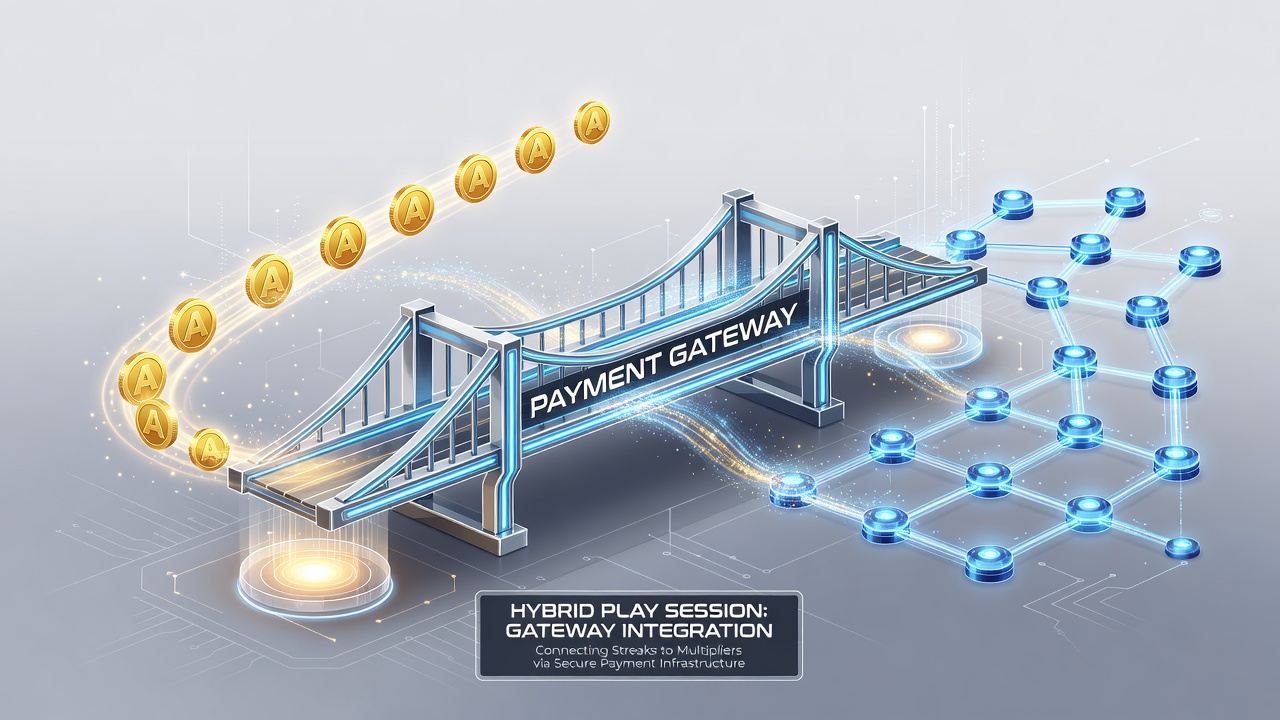
Security protocols embedded in these gateways include tokenisation and encryption layers that protect each transfer, and industry reports confirm these measures remain consistent whether the transaction moves from sports to casino or the reverse direction. Researchers discovered that platforms employing unified gateway technology report higher retention rates across hybrid users because the balance never leaves the ecosystem. What's interesting is how a single API call can trigger both the accumulator settlement and the multiplier session funding without additional user input.
Technical Standards Supporting Cross-Format Movement
Modern gateways adhere to PCI-DSS requirements and integrate with multiple banking networks, which enables them to process deposits from various sources before routing winnings into either accumulator or multiplier play. According to a report published by an Australian research institute, platforms that maintain open gateway connections between sports and casino divisions experience fewer abandoned sessions than those requiring separate funding steps. The ball is in the developers' court to ensure these connections remain stable during peak hours when accumulator results and multiplier chains both activate simultaneously.
Observers note that real-time balance updates prevent discrepancies that could otherwise interrupt a player's transition from one format to the other. Data indicates that July 2026 saw several gateway providers release updated software versions specifically designed to handle higher volumes of hybrid transactions without latency spikes. Those who've examined the code changes report that the improvements focus on parallel processing so accumulator payouts and multiplier credits update concurrently.
Conclusion
Payment gateways continue to function as the operational bridge that connects accumulator sequences in sports betting with multiplier sequences in casino games, and ongoing technical refinements support this role across expanding hybrid platforms. Evidence from multiple regions shows that efficient gateways reduce barriers between formats while maintaining the security standards required by various oversight bodies. As transaction volumes grow, the same infrastructure will likely determine how smoothly players can move between these distinct yet interconnected play styles.