Pathways of Incentives: Linking Reel Spins, Dealer Tables, and Accumulator Bets
Cameron Krause · Aug 14, 2026

Pathways of Incentives: Linking Reel Spins, Dealer Tables, and Accumulator Bets
Operators have developed tiered incentive programs that route player funds and rewards across slot machines, table games, and sports betting markets, creating measurable connections between these categories. These systems track deposits, wagers, and redemptions through centralized loyalty ledgers where points earned on one vertical convert into credits usable on others, according to industry reports from multiple jurisdictions.
How Tier Structures Operate Across Game Types
Entry-level tiers typically award base points on slot reel activity, with multipliers applied when players shift to live dealer tables or place accumulator bets on sports events. Higher tiers unlock accelerated conversion rates, allowing accumulated value from one session to fund play in another category without additional deposits. Research from the American Gaming Association shows that integrated platforms record higher cross-category activity when reward multipliers increase at each tier threshold.
Payment flows begin with a single deposit that credits multiple ledgers simultaneously, while bonus funds carry category-specific wagering requirements that operators adjust to direct traffic toward underutilized verticals. One documented program in North American markets links reel spin contributions to table game rake credits and sports parlay insurance features, producing documented increases in session length across all three areas.
Data Patterns in Cross-Vertical Movement
Figures released by regulatory bodies in Canada and Australia indicate that players who reach mid-tier status complete at least 35 percent of their monthly activity outside their initial game preference. This movement occurs because accumulated incentives reduce the effective cost of entry into secondary categories, such as moving from slot reels to accumulator bets or live dealer side wagers. The pathways remain traceable through timestamped transaction logs that record both the source and destination of each reward unit.
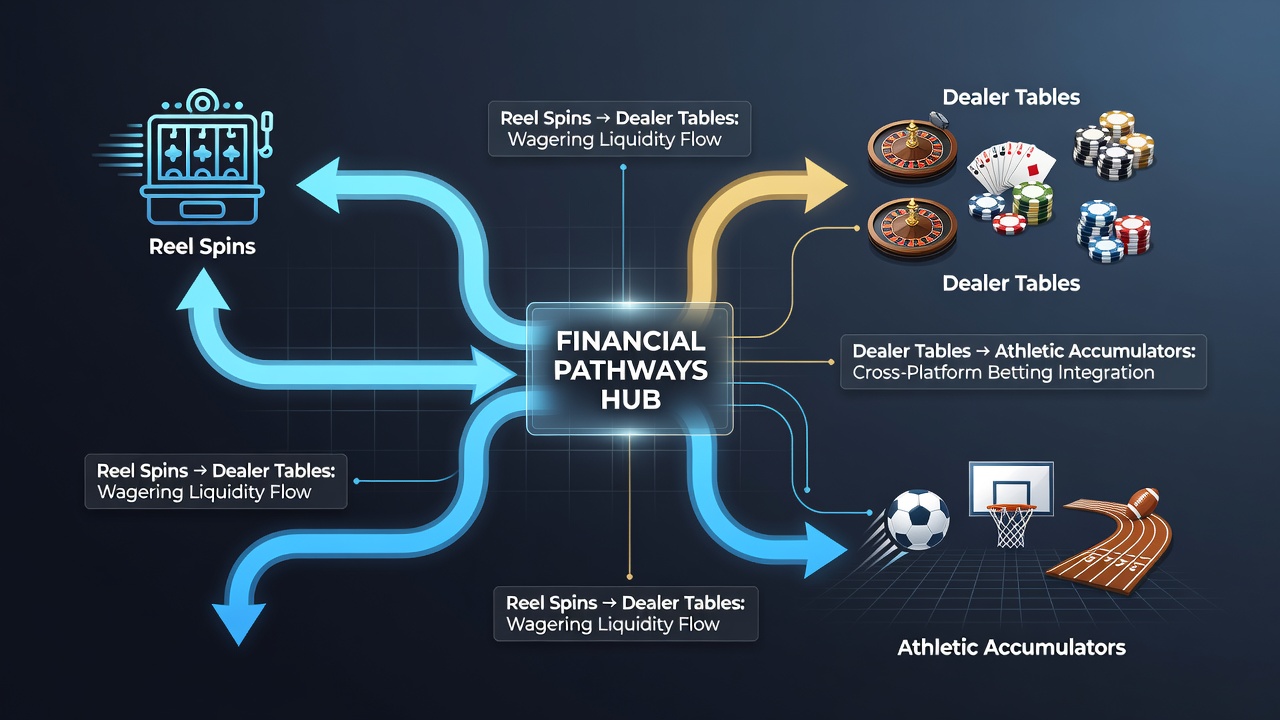
August 2026 projections from several regional gaming associations forecast further integration of these ledgers with real-time sports data feeds, allowing accumulator outcomes to influence immediate bonus releases for table play or additional reel spins. Current systems already permit partial cash-outs at certain tiers, yet most operators maintain conversion windows that favor continued play across linked products rather than outright withdrawal.
Regulatory and Operational Tracking Methods
Authorities in multiple regions require operators to maintain separate audit trails for each incentive layer, documenting how funds originating from one vertical reach another. These records reveal that accumulator bet winnings frequently feed back into table game buy-ins when operators apply tier-based multipliers, while reel spin losses can be offset by sports-specific cashback that carries no table-game restrictions. The European Gaming and Betting Association has published summaries of similar cross-border data sets that demonstrate consistent patterns in reward redistribution.
Operators adjust tier thresholds seasonally, raising or lowering point requirements based on observed migration rates between categories. When accumulator activity spikes, programs often increase table-game redemption values to balance overall platform utilization, a tactic confirmed in operational reviews from licensed markets outside the United Kingdom.
Conclusion
Tiered incentive architectures continue to map direct financial routes between reel spins, dealer tables, and athletic accumulators by converting activity in one area into playable value in others. Transaction data from diverse regulatory environments confirms that these connections operate through centralized ledgers and multiplier rules that operators refine according to measured player behavior. As platforms expand real-time integration ahead of 2026, the documented pathways are expected to grow more granular while remaining subject to the same audit and reporting standards already applied across participating jurisdictions.