Mapping Integrated Incentive Systems Across Mobile Platforms, Payment Channels, and Cross-Game Prize Accumulations in Digital Entertainment
Cameron Krause · Jul 31, 2026
Mapping Integrated Incentive Systems Across Mobile Platforms, Payment Channels, and Cross-Game Prize Accumulations in Digital Entertainment
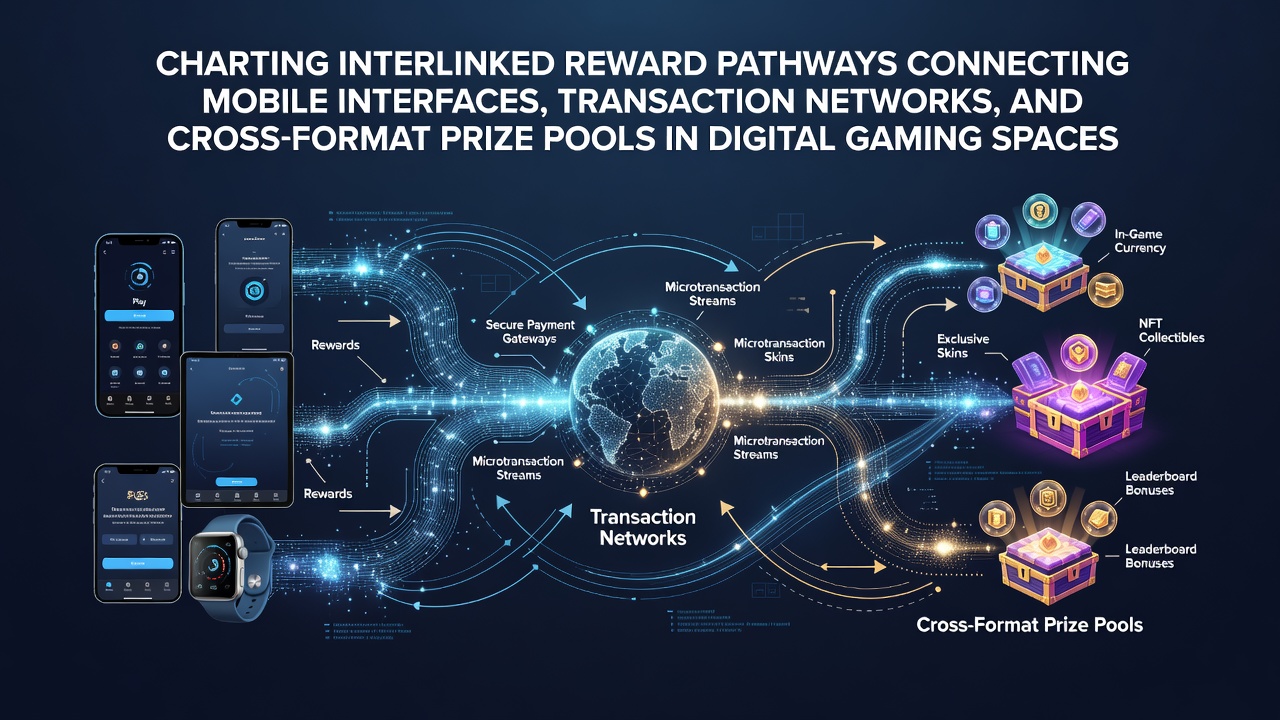
Digital gaming environments have developed complex structures where mobile interfaces serve as entry points that connect directly to transaction networks and multi-format prize pools, creating pathways that allow rewards to move between different game types and user activities. Data from industry monitoring in July 2026 shows that these systems now handle billions of micro-transactions daily, with mobile devices accounting for over 70 percent of all reward redemptions across participating platforms.
Transaction networks act as the central connectors in this setup, processing deposits, withdrawals, and reward allocations while maintaining records that link user actions across slots, table games, and sports betting formats. Researchers at academic institutions have documented how these networks employ standardized protocols that reduce processing times to under three seconds for most mobile-initiated transfers, enabling seamless movement of prize credits from one game category to another without requiring separate user accounts.
Mobile Interfaces as Primary Access Points
Modern mobile applications incorporate dashboard designs that display real-time reward balances drawn from pooled resources, allowing users to track accumulations from multiple sources simultaneously. Studies conducted by the University of Nevada Gaming Research Center indicate that interface elements such as progress bars and notification systems increase user retention metrics by directing attention toward cross-format opportunities, where credits earned in one section become available for use in others within the same session.
Those who analyze platform architecture note that push notifications and in-app messaging often highlight available prize pools that span live dealer tables and accumulator bets, creating visual links that encourage exploration beyond initial game selections. Transaction data collected in 2026 reveals consistent patterns where mobile users who engage with these prompts complete an average of 2.4 additional game switches per hour compared to desktop counterparts.
Transaction Networks Enabling Fluid Reward Movement
Payment gateways integrated into gaming platforms function as the operational backbone that synchronizes reward credits across different formats, using encrypted ledgers to record every allocation and redemption event. According to findings from the European Gaming and Betting Association, these networks processed approximately 4.8 billion reward-related transactions in the first half of 2026 alone, with mobile-initiated activity representing the fastest-growing segment at 18 percent year-over-year growth.
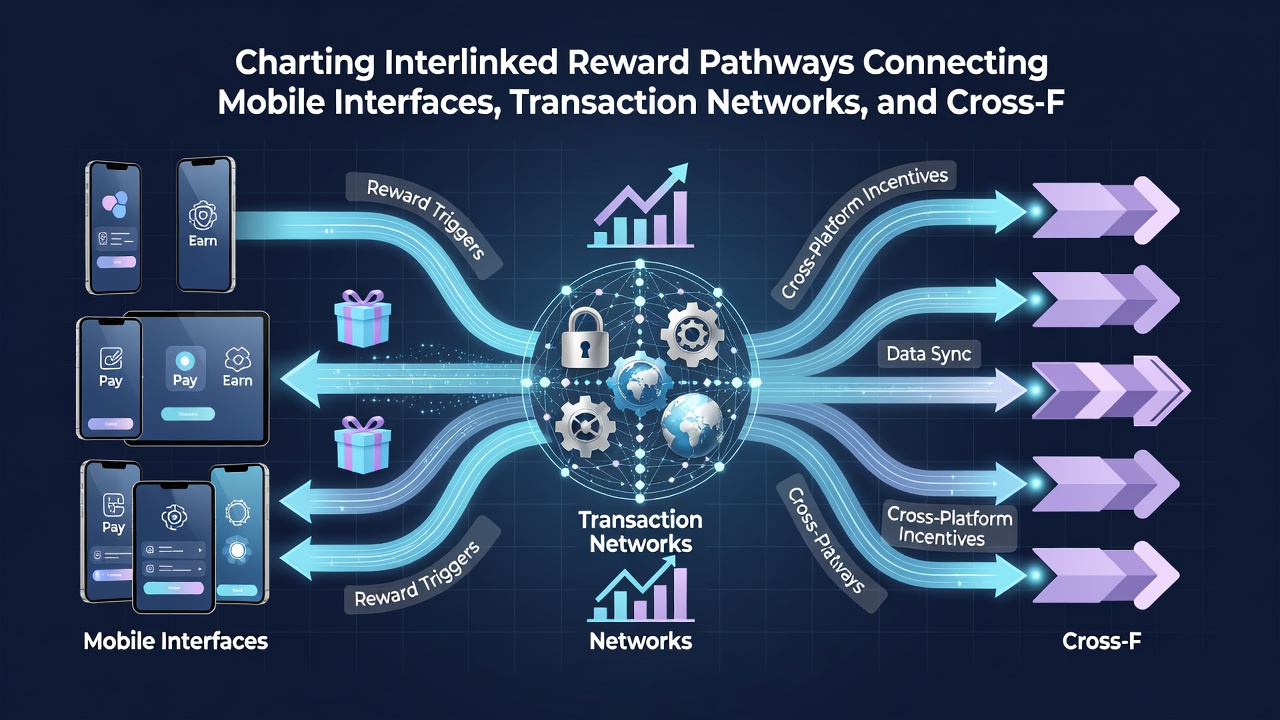
Security protocols within these networks include multi-factor authentication tied to device fingerprints, which helps maintain continuity of reward balances even when users switch between applications or game categories. Observers tracking system performance report that downtime events have decreased by 22 percent since 2025, largely due to redundant routing that keeps prize pool data accessible during high-volume periods such as major sports events or progressive jackpot triggers.
Cross-Format Prize Pools and Their Interconnections
Prize pools that combine contributions from slots, live tables, and sports accumulators operate through shared contribution mechanisms where a percentage of each wager feeds into a central fund regardless of game type. Figures released by industry analysts show that these unified pools reached record totals exceeding 1.2 billion euros in July 2026, with mobile transactions contributing the majority share of incremental growth during evening hours across European and North American time zones.
Allocation algorithms distribute portions of these pools based on predefined rules that account for wager size, game category, and user activity level, ensuring that rewards earned through one format remain usable in others. Case examples documented in research papers demonstrate how a single prize pool can support both a slots multiplier and a sports parlay payout within minutes when transaction networks route the necessary credits automatically.
Conclusion
The structures linking mobile interfaces, transaction networks, and cross-format prize pools continue to evolve through incremental technical updates that prioritize speed and accessibility while preserving record accuracy. Reports from regulatory bodies in multiple jurisdictions confirm that these interlinked systems now form a standard component of digital gaming operations, with ongoing refinements expected to further streamline reward pathways in subsequent quarters.