Integrated Reward Networks Connecting Live Tables, Accumulator Victories, and Tiered Mobile Platforms
Mia Griffin · May 29, 2026

Integrated Reward Networks Connecting Live Tables, Accumulator Victories, and Tiered Mobile Platforms
Operators across multiple jurisdictions continue to develop interconnected reward systems that link live dealer tables directly to accumulator wins while incorporating tiered mobile access structures, and these networks have expanded notably since early 2025 with further refinements scheduled for May 2026 in several markets.
Research from the National Council on Problem Gambling shows that such integrated platforms allow players to accumulate points through table game participation and apply those same points toward sports betting accumulators without resetting progress when switching devices, whereas traditional separate systems often required manual transfers or lost tracking during transitions.
How Table Participation Feeds Accumulator Pathways
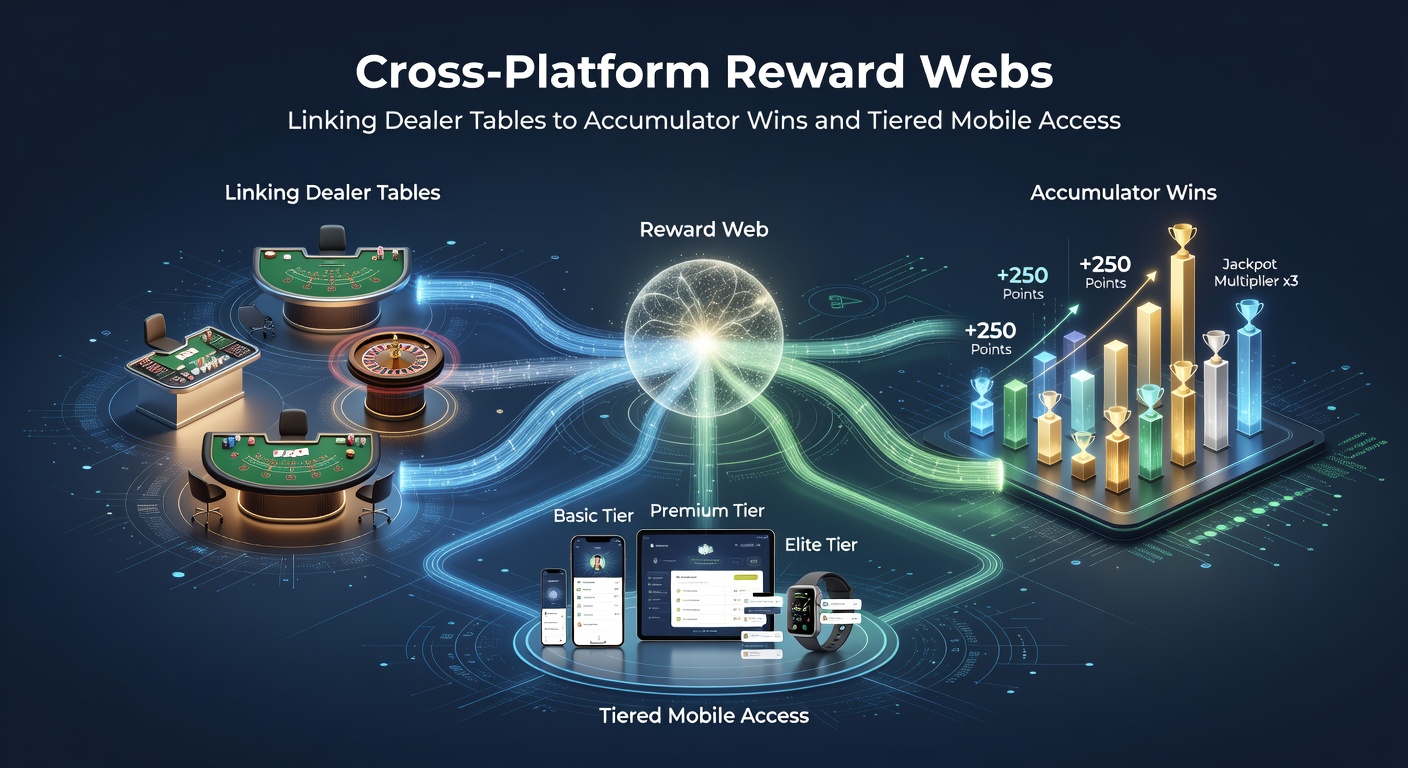
Live dealer environments generate reward points based on bet volume and session duration, then those points convert automatically into accumulator multipliers when users place parlay bets through the same account, and observers note that this linkage reduces friction while maintaining separate ledgers for each vertical to comply with regional rules.
Studies indicate that players who engage with blackjack or roulette tables during evening hours frequently carry forward credits into morning accumulator sessions on mobile apps, yet the conversion rates vary by operator according to data compiled by European trade groups. One study revealed that a single hour at a live dealer table can unlock bonus multipliers ranging from 1.2x to 2.5x on accumulator legs depending on the player's current tier.
Tiered Mobile Access Structures
Mobile platforms organize user access into progressive tiers that unlock additional features such as faster withdrawal processing, exclusive accumulator markets, and priority entry to live dealer rooms, and these tiers advance through combined activity across tables and sports products rather than isolated metrics.
Figures from industry reports highlight that users reaching the third tier typically experience a 40 percent increase in accumulator payout potential due to built-in reward boosts, while lower tiers maintain standard rates that still connect to table-based point earnings. Those who've studied these systems note that tier progression often resets annually but carries partial carryover when players maintain consistent cross-platform engagement.
Regional Developments and Data Patterns
Regulatory updates planned for May 2026 in parts of North America and Australia aim to standardize how reward points transfer between live dealer sessions and accumulator bets, with authorities requiring clearer disclosure of conversion formulas to players. Data from the Australian Communications and Media Authority indicates that cross-platform systems already account for over 35 percent of total mobile gaming activity in licensed markets.
Experts have observed that operators implementing these webs report higher retention rates among users who alternate between table games and sports accumulators, and the patterns show that mobile tier advancement accelerates when activity spans both categories within a single week. Yet separate tracking ensures that table-specific promotions do not automatically influence sports betting limits or vice versa.
Technical Mechanisms Behind teh Connections
Backend systems use unified player accounts to track points earned at dealer tables and apply them as accumulator enhancers through API linkages that update in real time, while mobile apps display tier status alongside pending rewards from both verticals. Researchers discovered that latency issues during device switches have decreased significantly following infrastructure upgrades completed in late 2025.
Take one case where experts found that a player completing a roulette session on a tablet could immediately place an accumulator bet on a smartphone with the earned multiplier applied automatically, and similar flows now extend to multiple table variants including poker variants and baccarat. The reality is that these connections rely on secure tokenization to prevent point duplication across platforms.
Future Integration Trends
Industry organizations project continued expansion of these reward webs into additional entertainment categories by 2027, building on the foundation established through table-to-accumulator linkages and tiered mobile frameworks. Current implementations already demonstrate measurable increases in session lengths when users leverage points across both dealer and sports environments.
Conclusion
Cross-platform reward systems that connect dealer tables to accumulator wins via tiered mobile access represent an established operational model in multiple regulated markets, with ongoing refinements scheduled through May 2026 and beyond. Evidence from regulatory filings and industry analyses confirms that these networks operate through distinct yet interconnected tracking mechanisms that support player movement between verticals while adhering to jurisdictional requirements.