From Pocket Screens to Platform Triumphs: Mapping Reward Pathways Across Interactive Entertainment Networks
Ines Krüger · May 19, 2026
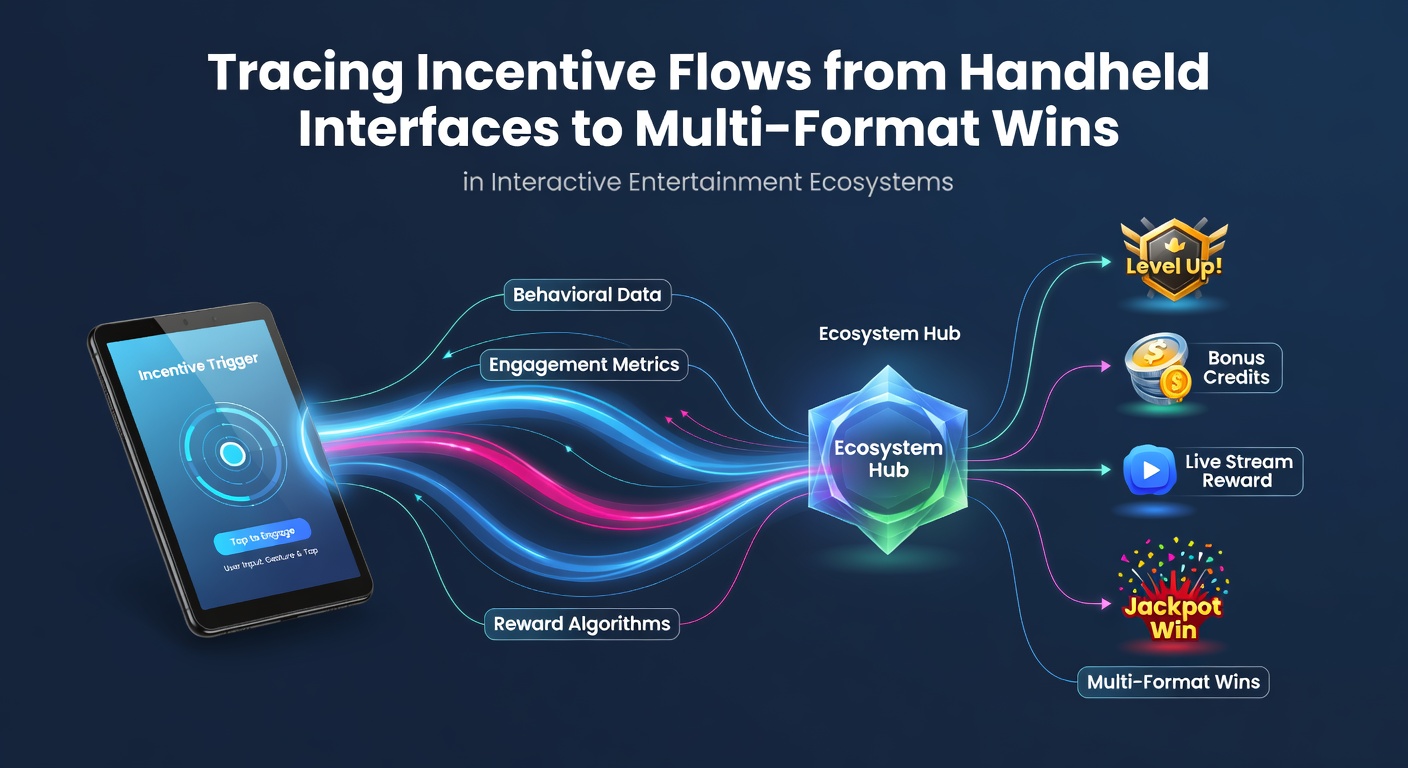
From Pocket Screens to Platform Triumphs: Mapping Reward Pathways Across Interactive Entertainment Networks
Observers note that handheld interfaces now serve as primary entry points for incentive structures that extend across diverse entertainment formats. Research from the Entertainment Software Association indicates mobile devices accounted for over 45 percent of global gaming engagement in 2025, with reward systems acting as bridges to console, PC, and emerging VR experiences. Data shows these flows begin with simple touch-based interactions yet scale into layered achievements that span multiple platforms. Handheld interfaces operate through compact screens and gesture controls that deliver immediate feedback loops. Users encounter daily login rewards, streak bonuses, and progression trackers that accumulate value over time. These mechanisms draw from behavioral design principles refined since the early 2010s, when app developers first integrated virtual currencies to sustain engagement. Studies conducted at Stanford University have tracked how such micro-incentives increase session duration by an average of 22 percent when synchronized with cross-device accounts. Multi-format wins emerge when mobile progress transfers to larger ecosystems. A player might complete a mobile quest that unlocks equipment usable on home consoles, or accumulate points redeemable in virtual reality environments. Industry reports from the Interactive Games and Entertainment Association in Australia highlight that cross-platform titles grew 31 percent between 2023 and 2025, driven largely by unified reward ledgers. This connectivity reduces fragmentation and allows participants to maintain momentum regardless of device. Payment and subscription layers further channel incentives. Subscription models on handheld platforms often bundle access to premium content that carries forward into other formats. Figures released by the European Games Developer Federation reveal subscription-linked cross-format participation rose sharply after 2024 policy adjustments in several member states. Those adjustments focused on transparency in reward disclosure rather than restricting access. Trends observed in May 2026 point toward deeper integration of artificial intelligence in personalizing these flows. Developers deploy machine learning to tailor incentive timing based on individual play patterns across devices. One analysis from a University of Tokyo research team documented a 17 percent uplift in retention when AI-adjusted rewards aligned mobile sessions with evening console play windows. Such personalization respects regional regulatory frameworks while enhancing user continuity. Case examples illustrate the pattern clearly. Titles supporting cloud saves and shared inventories demonstrate how a handheld-initiated challenge can culminate in a large-scale multiplayer event on dedicated hardware. Participants who start on mobile often arrive at console sessions with pre-built advantages, shortening the learning curve and amplifying competitive outcomes. Observers note this dynamic appears consistently in battle-royale and open-world genres where progression carries universal value. Infrastructure supporting these flows relies on robust account systems and secure data synchronization. Cloud services maintain state consistency so rewards earned via touch controls remain accessible through controllers or motion tracking. Technical standards developed by international bodies have reduced latency issues that previously disrupted transfer reliability. As networks improve, the gap between handheld initiation and multi-format completion continues to narrow. Regulatory environments across regions shape how incentives travel. Canadian provincial authorities implemented updated digital media guidelines in late 2025 that emphasize clear communication of reward expiration and transfer rules. Similar measures in South Korea focus on youth protection while permitting cross-format progression for verified adult accounts. These frameworks create predictable environments where developers can design reliable incentive pathways without unexpected interruptions.Technical Underpinnings of Incentive Transfer
Backend architectures employ standardized APIs that authenticate users across devices and validate reward claims. Tokenized systems represent earned value in ways that translate between game engines. Security protocols prevent duplication while allowing legitimate sharing within approved ecosystems. Performance metrics collected by hardware manufacturers show transfer success rates exceeding 98 percent on major platforms when using current protocols. User interface design plays a supporting role by presenting unified dashboards. These displays aggregate mobile progress alongside console statistics, giving participants a holistic view of accumulated advantages. Visual cues guide attention toward upcoming multi-format opportunities without requiring separate tracking tools.Emerging Patterns in 2026 Ecosystems
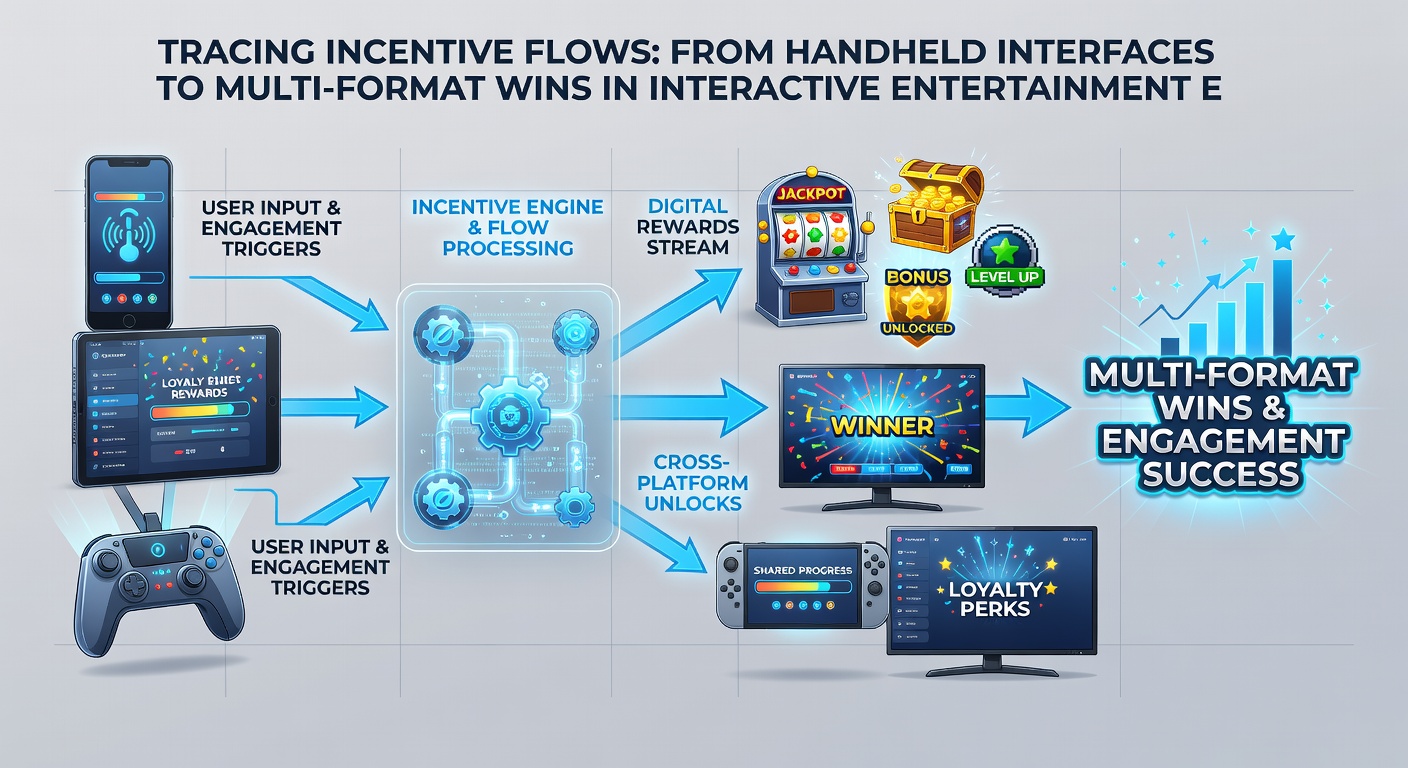 Data collected through the first quarter of 2026 indicates continued expansion of augmented reality overlays that link physical handheld use to virtual achievements. Participants scanning real-world locations via mobile cameras receive prompts that feed directly into console-based exploration modes. This blending of environments extends incentive reach beyond traditional screen boundaries. Collaborative events scheduled across platforms further amplify flows. Mobile users contribute resources during daytime windows that influence evening console tournaments. The structure creates temporal bridges where actions on one interface affect outcomes on another, sustaining engagement cycles throughout the day.