Digital Crossroads: How Transaction Options Shape Shifts Between Jackpot Machines, Dealer Tables, and Accumulator Markets
Ellis Werner · Jun 9, 2026
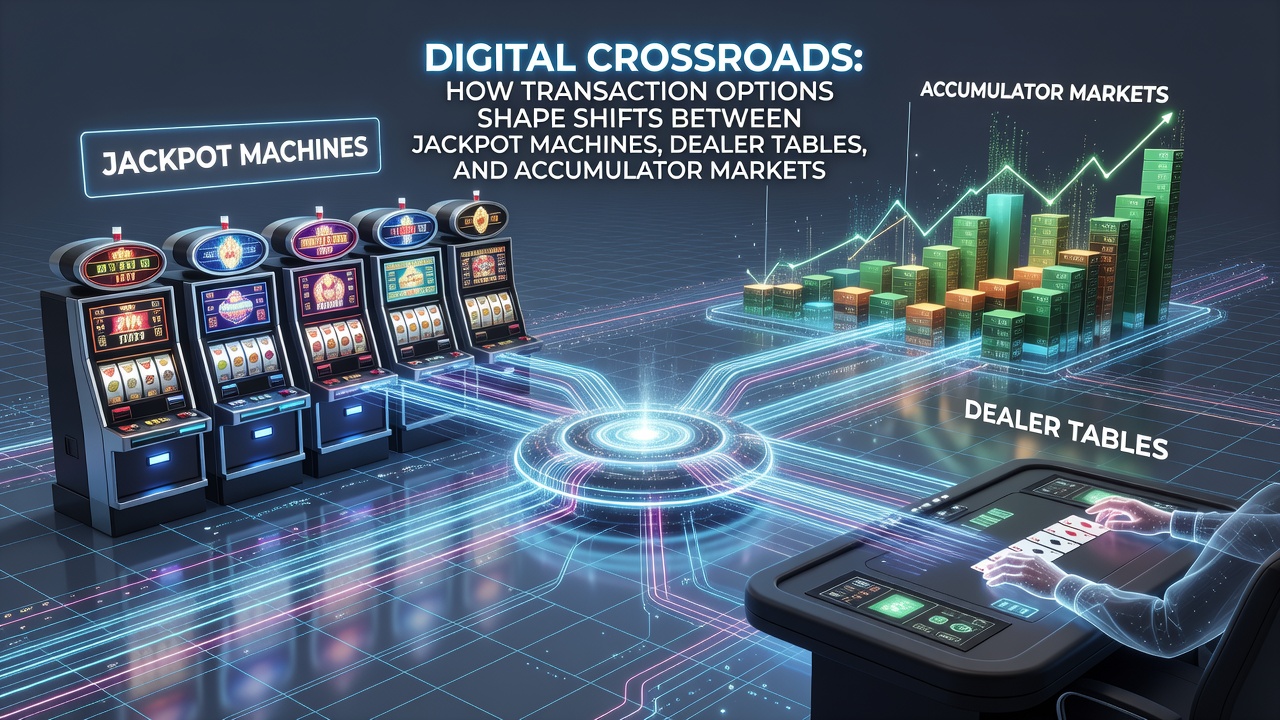
Digital Crossroads: How Transaction Options Shape Shifts Between Jackpot Machines, Dealer Tables, and Accumulator Markets
Payment systems have become central to how players move between different forms of gambling entertainment and data from multiple jurisdictions shows clear patterns emerging around speed, fees, and accessibility. Transaction methods such as instant bank transfers, e-wallets, and digital currencies influence decisions about whether someone starts with high-volatility jackpot machines, moves to interactive dealer tables, or explores accumulator bets in sports markets, while operators adjust their offerings based on these behavioral shifts.
Payment Speed and Initial Game Selection
Fast deposit options often correlate with entry points into jackpot-focused machines because players value immediate access to progressive pools without delays. Research from the Nevada Gaming Control Board indicates that venues reporting sub-five-second transaction confirmations saw higher volumes on linked jackpot terminals during peak hours compared to locations with standard processing times. Those same rapid systems also support quick exits when a session ends, which encourages experimentation with other categories such as live dealer environments where timing matters for table entry.
Meanwhile, slower but lower-fee methods tend to appear more frequently among users who favor accumulator markets. The structure of sports betting rewards patience with bet construction, so players accept brief waits in exchange for reduced costs that preserve bankrolls across multiple legs. Observers note that platforms integrating both instant and scheduled options within the same account see users toggling between categories more fluidly once the payment infrastructure supports seamless movement.
Security Features and Cross-Category Movement
Enhanced verification protocols built into modern payment gateways affect how confidently players shift from one product type to another. Multi-factor authentication paired with biometric confirmation reduces friction during transitions, allowing someone who began on a jackpot machine to relocate to a dealer table without re-entering lengthy details. Data released in June 2026 by the Australian Communications and Media Authority highlighted that accounts using these layered security layers recorded elevated activity across live table sections following initial slot sessions.

Cryptocurrency options introduce an additional layer because their pseudonymous nature appeals to users who want to test accumulator strategies without traditional banking trails. Industry reports show that wallets supporting stablecoins facilitate quicker pivots into live dealer environments where table minimums fluctuate, since conversion and transfer occur within minutes rather than hours. Yet these same tools sometimes slow adoption among players who prefer the transparency of regulated bank rails when moving large sums between jackpot progressives and sports markets.
Fee Structures and Session Duration Patterns
Transaction costs directly shape how long individuals remain within a single category before exploring others. Zero-fee instant deposits encourage extended runs on jackpot machines because every credit stays available for additional spins, whereas percentage-based charges on accumulator bets can prompt users to consolidate wagers into fewer selections to minimize deductions. A study conducted by researchers at the University of Nevada, Reno, tracked account-level data and found measurable migration toward live tables when operators waived processing fees during promotional windows that coincided with major sporting events.
Regional differences appear in these dynamics. Canadian provincial regulators have documented that players in provinces with strict fee disclosure rules tend to plan transitions more deliberately, often moving from dealer tables back to jackpot machines once accumulated winnings exceed certain thresholds. In contrast, markets with minimal disclosure see more spontaneous shifts driven purely by available balance rather than calculated cost management.
Integration of Payment Wallets Across Platforms
Unified wallet systems that span multiple product verticals have accelerated the rate at which users sample different experiences. When a single balance powers jackpot machines, dealer tables, and accumulator construction without repeated transfers, the barrier to switching drops significantly. Figures from European gambling trade associations reveal that operators deploying shared wallets recorded increased cross-product engagement within the first quarter of deployment, particularly among users who began with sports accumulators and later explored live dealer side bets.
These integrations also support loyalty mechanics that reward movement rather than confinement to one category. Points earned on jackpot terminals can fund table buy-ins or accumulator stakes once the payment layer recognizes activity across verticals, creating measurable loops that sustain longer overall sessions.
Conclusion
Transaction infrastructure continues to determine pathways through jackpot machines, dealer tables, and accumulator markets as operators refine tools around speed, security, and cost. Evidence from regulatory bodies and academic sources demonstrates that flexible payment ecosystems foster greater fluidity between categories while rigid systems tend to anchor users in their starting product. As technology evolves, the connections between these areas will likely tighten further through shared balances and instant reconciliation features.