Credit Dynamics: Payment Methods Connecting Live Dealer Approaches with Sports Event Multipliers
Clara Griffin · Jul 14, 2026

Credit Dynamics: Payment Methods Connecting Live Dealer Approaches with Sports Event Multipliers
Payment systems serve as the primary conduits that move funds between live dealer environments and sports wagering platforms where multipliers apply to event outcomes. Observers note that these transaction pathways determine how quickly players can shift capital from one format to another while maintaining access to real-time strategy adjustments and multiplier opportunities that arise during matches or races. Data from multiple jurisdictions shows that seamless credit movement supports continuous participation across both categories without the delays that once separated casino sessions from sports betting activity.
Mechanics of Credit Movement in Integrated Platforms
Modern payment gateways process deposits and withdrawals through shared ledgers that update balances across live dealer interfaces and sports event dashboards simultaneously. When a player completes a hand at a blackjack table the resulting credit becomes available for placement on an accumulator that carries its own multiplier structure based on combined event probabilities. Researchers at academic institutions tracking transaction patterns have documented that platforms using unified wallets reduce the average time between a live dealer outcome and a subsequent sports wager to under thirty seconds in many cases. This speed allows strategies developed during dealer interactions such as bankroll pacing or risk calibration to transfer directly into multiplier calculations on upcoming fixtures.
Live Dealer Strategies and Their Influence on Sports Multipliers
Participants in live dealer formats often apply progressive betting sequences that adjust stake sizes according to previous results. These sequences gain additional utility when the same payment rail carries funds into sports events where multipliers scale with the number of legs in a parlay. Figures released in industry reports indicate that players who maintain consistent credit flow between the two environments achieve higher average multiplier values on sports accumulators because they can respond to in-play developments without pausing to manage separate accounts. Electronic payment providers that support instant settlement enable this continuity while regulatory frameworks in regions outside the United Kingdom track such flows for compliance purposes.
One documented pattern involves players who finish a live roulette session and immediately allocate resulting credits to live sports markets featuring variable multipliers that change with goal counts or point spreads. The transaction layer records each movement so that operators can verify responsible limits remain active across both product types. Studies conducted by university research groups have examined these patterns and found that integrated payment rails correlate with steadier credit utilization rates throughout extended sessions that span dealer tables and sports events.
Role of Specific Payment Methods in Cross-Format Activity
E-wallets and instant bank transfer services dominate the credit pathways that link live dealer play with sports multiplier pursuits. These methods provide the verification speed required when multipliers shift rapidly during events such as tennis sets or football halves. According to information published by the iGaming Ontario regulatory body, platforms offering multiple instant options record higher volumes of transfers between casino and sports verticals during peak event windows. Cryptocurrency rails have also appeared in certain markets where they facilitate cross-border movement without traditional banking delays yet they still require the same ledger reconciliation that standard gateways perform.
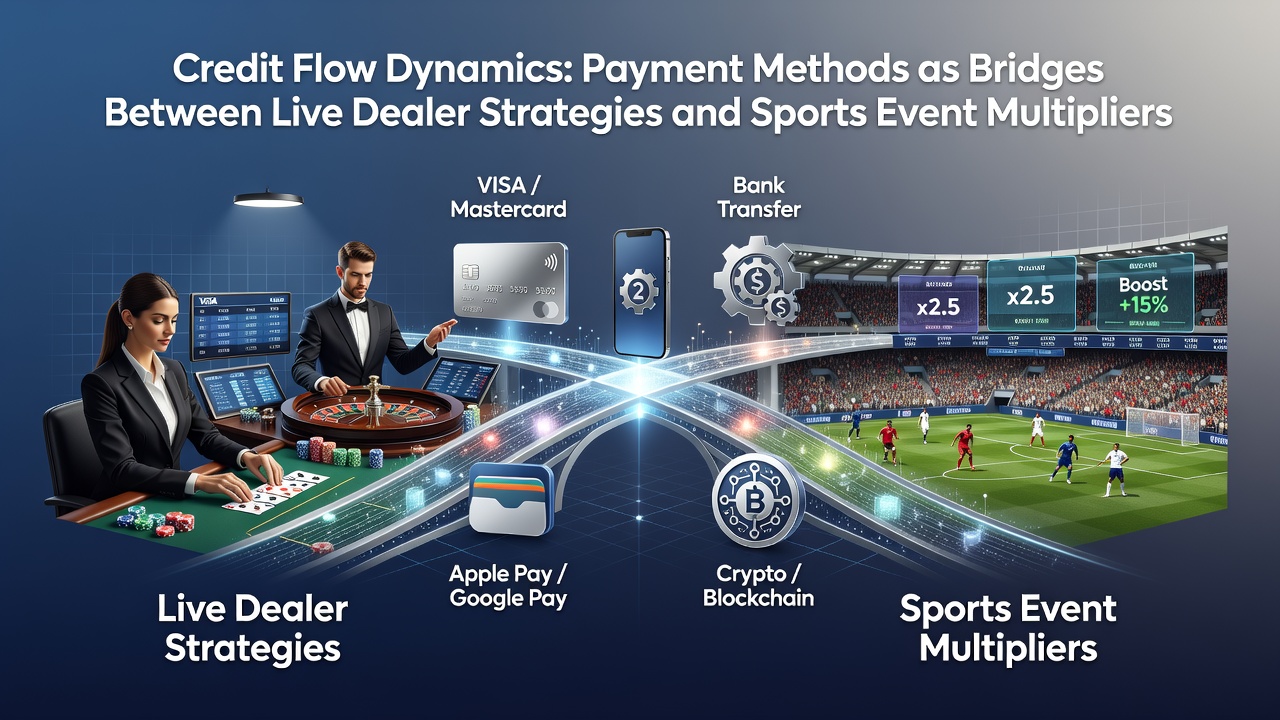
July 2026 saw several operators publish aggregated transaction statistics that highlighted increased usage of these payment bridges during major international sporting calendars. The data revealed that live dealer sessions often served as entry points for players who later applied accumulated credits to multiplier-enhanced sports products. Payment processors responded by expanding API connections that allow real-time balance visibility across both environments so that strategy adjustments made at the dealer table can influence sports stake sizing without additional verification steps.
Regulatory Context and Reporting Requirements
Authorities in multiple jurisdictions require operators to maintain separate yet linked audit trails for credit movements that cross product categories. These requirements ensure that multiplier-based sports activity remains subject to the same responsible gambling controls applied during live dealer play. Reports from the Responsible Gambling Council in Canada have examined how payment method choice affects the visibility of such flows and noted that transparent rails simplify compliance monitoring. Operators must therefore select gateways that support granular reporting while still delivering the speed players expect when moving between dealer strategies and sports event opportunities.
Conclusion
Payment methods function as the operational bridges that allow credit generated through live dealer strategies to enter sports environments where multipliers determine potential returns. Transaction data collected across platforms demonstrates that faster settlement options increase the frequency of such transitions while maintaining the audit trails required by regulators. As event calendars continue to overlap with live dealer availability the role of these payment pathways remains central to how players allocate resources between the two formats.