Charting the Ripple Effects of Transaction Flexibility on Exploration Patterns Across Digital Entertainment Formats
Ines Krüger · Aug 11, 2026
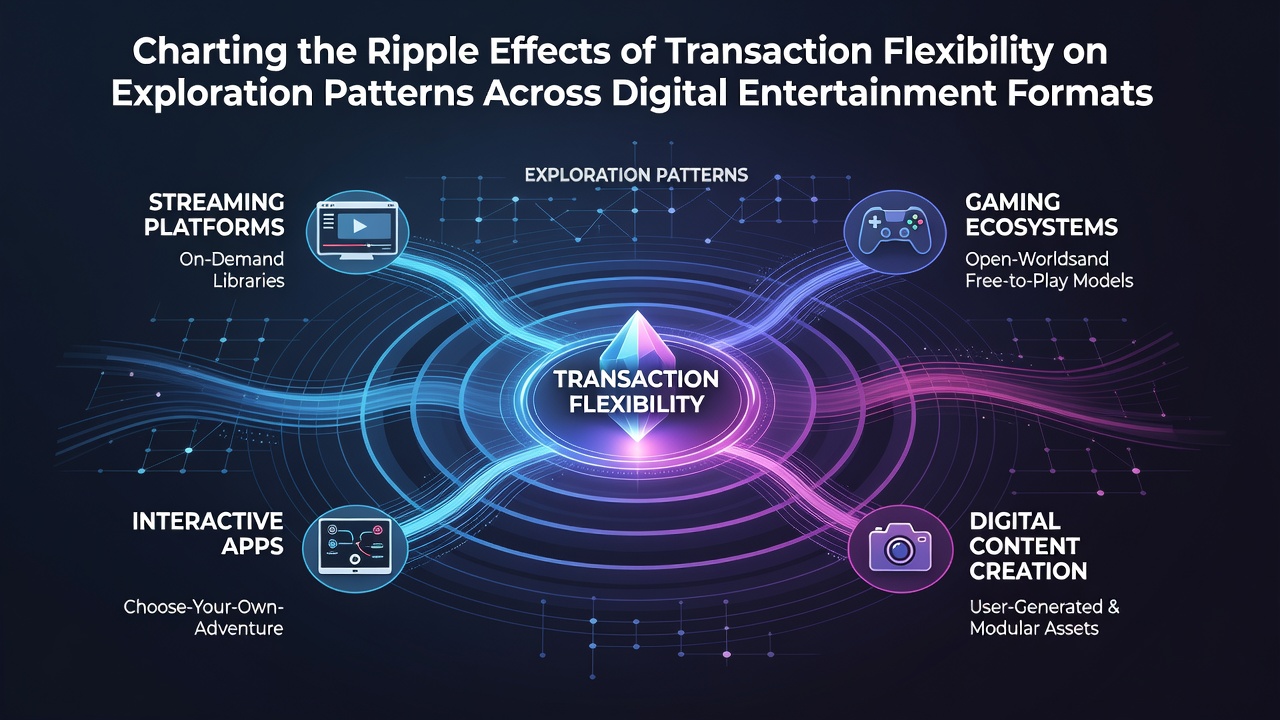
Charting the Ripple Effects of Transaction Flexibility on Exploration Patterns Across Digital Entertainment Formats
Data from industry reports shows transaction flexibility has reshaped how users move between digital entertainment options, with payment models such as subscriptions, microtransactions, and one-time unlocks altering discovery behaviors in measurable ways. Researchers tracking platform analytics note that users who encounter seamless payment systems tend to sample content from multiple categories more frequently than those limited by rigid billing structures.
Payment Models and User Navigation Trends
Studies conducted across major platforms indicate subscription bundles encourage shifts from single-format consumption to multi-format engagement, where individuals start with video streaming and progress toward interactive gaming or live events within the same account ecosystem. Figures released in 2025 by the Interactive Digital Media Association reveal a 34 percent increase in cross-format exploration among users with access to unified billing portals compared to those using separate payment gateways for each service.
Transaction flexibility also appears in the form of in-app purchases that allow incremental commitments, and observers tracking user logs find these options reduce hesitation when trying new genres or formats. A report from the Australian Competition and Consumer Commission highlights how localized payment adaptations in the Asia-Pacific region correlate with higher rates of format switching during peak usage periods.
Regional Data Patterns Emerging in 2026
August 2026 marks the rollout of updated digital commerce guidelines in several jurisdictions, including revised transparency requirements for recurring billing in Canada and the European Union. These changes coincide with observed upticks in exploratory behavior, as users gain clearer visibility into costs before committing to new entertainment categories. Government statistics from Canada's Office of Consumer Affairs show subscription cancellation rates dropped by 12 percent in provinces where flexible trial extensions were introduced earlier that year.
Meanwhile, academic analyses from the University of Melbourne's Digital Futures Lab track similar patterns in music and podcast platforms, where pay-per-episode models lead listeners to sample formats previously outside their usual preferences. The data suggests users exposed to variable transaction thresholds expand their engagement radius across audio, visual, and gamified content within six months of adopting flexible payment tools.
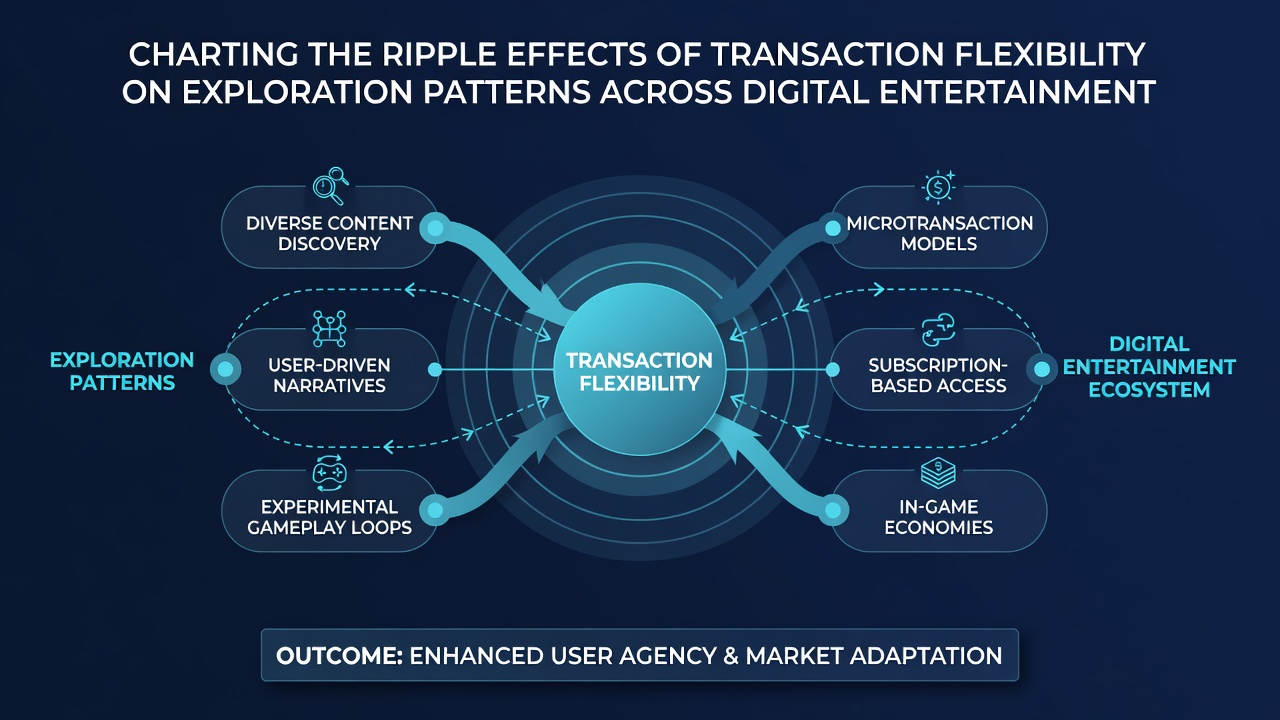
Platform Integration and Discovery Mechanisms
Platform operators have integrated transaction layers directly into recommendation engines, and evidence from user behavior studies demonstrates that seamless checkout flows increase the likelihood of trying adjacent formats. For instance, a viewer finishing a series might receive an immediate prompt to access related interactive experiences without navigating separate payment systems. Research published by the MIT Media Lab in late 2025 documents how these integrated pathways shorten the time between initial interest and actual engagement by an average of 47 seconds per session.
Industry groups such as the Entertainment Software Association have compiled regional comparisons showing North American users respond more readily to tiered pricing that spans multiple formats, whereas European markets exhibit stronger responses to region-specific promotional credits. These variations underscore how local payment infrastructure influences the speed and breadth of exploration across digital offerings.
Measurement Approaches and Longitudinal Findings
Longitudinal datasets collected by research consortia reveal that transaction flexibility correlates with sustained increases in format diversity per user account over 18-month periods. Analysts at the Pew Research Center's Internet and Technology division note that households utilizing shared digital wallets across devices display broader exploration patterns, including shifts toward emerging formats such as virtual reality experiences and collaborative online events.
Payment processors have begun publishing anonymized aggregate data that supports these observations, with transaction logs indicating spikes in cross-category activity following the introduction of unified loyalty systems. Observers monitoring these trends point to consistent patterns where reduced friction at the payment stage precedes measurable expansion in the range of formats accessed.
Conclusion
Transaction flexibility continues to influence exploration patterns as payment systems evolve alongside new digital entertainment formats. Available data from regulatory bodies, academic institutions, and industry associations demonstrate measurable connections between billing ease and the breadth of content users engage with across platforms. Ongoing adjustments in global commerce policies through 2026 provide additional context for tracking these shifts in user behavior.